Cultural Landscape and Archaeological Remains of the Bamiyan Valley, Archaeological site in Bamiyan Valley, Afghanistan
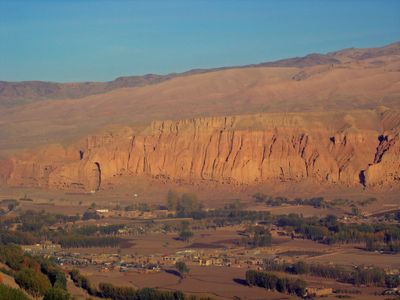
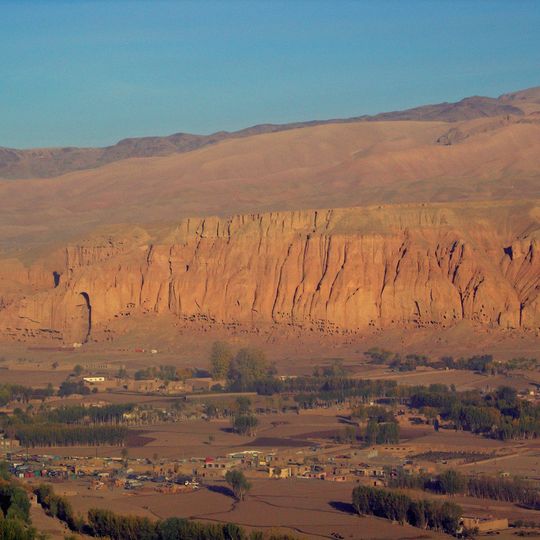
The Bamiyan Valley is an archaeological area with Buddhist monasteries, caves with painted walls, and large niches carved into cliff faces where enormous Buddha statues once stood. The valley spans several separate locations containing remains of structures spanning thousands of years.
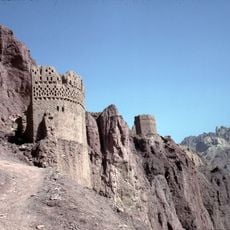
The valley's rock-cut Buddhist monasteries and sanctuaries were in use from the 1st to the 13th century, when it was a key stop on the Silk Road. The two monumental Buddha statues, 55 and 38 metres tall, were destroyed by the Taliban government in 2001. The site also preserves remains of Muslim fortifications from the valley's period as a trade transit point.
The rock-cut monasteries and sanctuaries of the ancient region of Bactria were in use between the 1st and 13th centuries, and their partly preserved wall paintings and sculptures show the meeting of Indian, Hellenistic, Roman and Sasanian art that shaped the Gandhara school. The valley was a major stop on the Silk Road, and Muslim fortifications from that period also survive.
Accessing the site requires special permits and the use of local transportation, as the UNESCO World Heritage site consists of eight different areas spread across the valley. It is important to check conditions and requirements before visiting, since accessibility varies depending on the season and local circumstances.
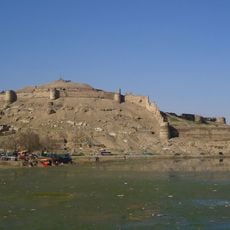
One section of the area is Shahr-i Ghulghulah, a mountain fortress whose ruins date to its destruction by Mongol attacks in the 13th century. The remains of this fortress reveal a different chapter from the Buddhist past and offer insight into the region's later settlement.
The community of curious travelers
AroundUs brings together thousands of curated places, local tips, and hidden gems, enriched daily by 92,636 contributors worldwide.