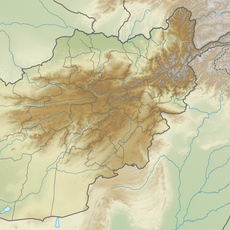
Band-e Amir National Park, National park with blue lakes in Bamyan, Afghanistan.
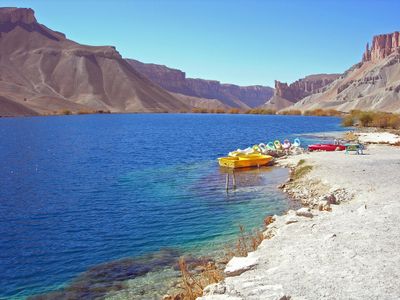
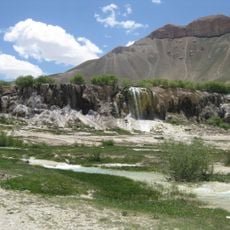
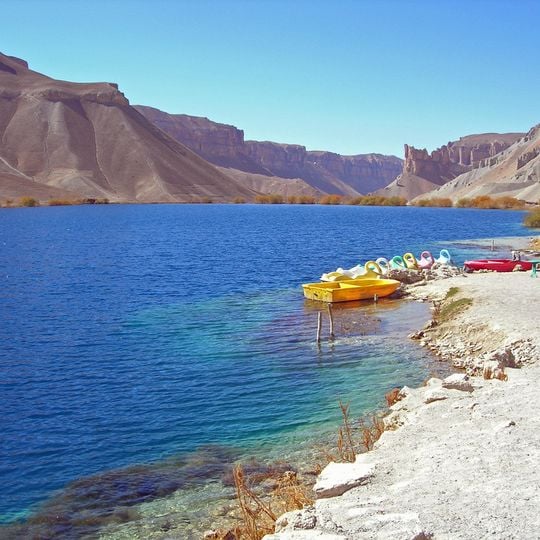
Band-e Amir National Park is a group of six lakes with deep blue water divided by natural travertine walls located in the Hindu Kush mountains at roughly 2900 meters elevation. The lakes were formed through mineral deposits built up over long periods by water seeping through rock.
Efforts to make Band-e Amir a national park began in the 1970s but were suspended during the wars. In 2004 the site was submitted for World Heritage recognition, and on 22 May 2009 it was declared Afghanistan's first national park. Activist Abdullah Barat campaigned against a planned hydrodam, arguing for protection of the lakes.
Band-e Amir means "the Ruler's Dam" in Dari, understood by some as a reference to Ali, the fourth Caliph; the lakes carry names such as Band-e Zulfiqar (Lake of the sword of Ali) and Band-e Qambar (Lake of Caliph Ali's slave). Local people, largely Hazaras, attribute the dams to Ali and his miracles, and Shia visitors consider the water healing.
Access is via three high passes: Shaidan (9,945 ft), Shibrtu (10,235 ft) and Khan Kotl (11,660 ft), so allow for rough tracks. The lakes are best visited in late spring and summer; winter temperatures fall to about −20 °C and the lakes freeze. Petrol-powered boats have been banned since 2008.
Water seeping through rock faults leaves behind mineral deposits that form natural dams, creating one of the few travertine lake systems found anywhere on Earth. This geological process continues actively and constantly reshapes the landscape.
The community of curious travelers
AroundUs brings together thousands of curated places, local tips, and hidden gems, enriched daily by 92,593 contributors worldwide.