Hoti, Albanian tribe in Malësia region, Albania
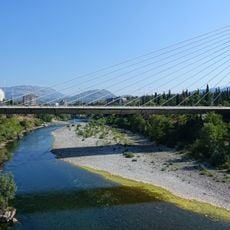
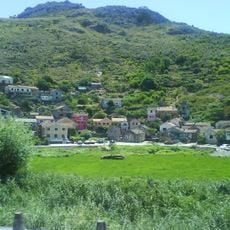
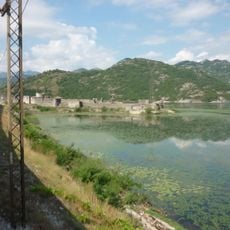
The Hoti are an Albanian tribal community in the Malësia region whose territory stretches northeast of Lake Shkodra and extends across several villages along the Albania-Montenegro border. Their settlements, including Rrapshë, Brigjë, and Traboin, are distributed across the municipalities of Malësi e Madhe and Tuzi in this mountainous border area.
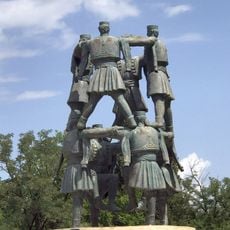
The Hoti were first documented in 1330 and played a key role in the 1911 Albanian uprising when they collectively demanded political rights against Ottoman rule. This early political mobilization helped establish them as a distinct and organized community.
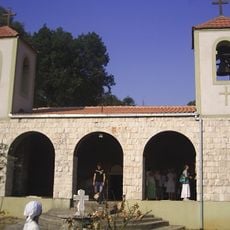
The Hoti community maintains traditional clan structures and follows the Kanun, a customary code that shapes daily life and family relationships. Roman Catholic faith is woven into their customs and remains central to how they celebrate and organize their social practices.
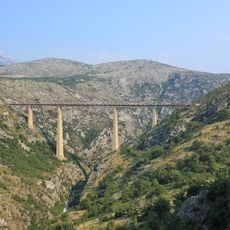
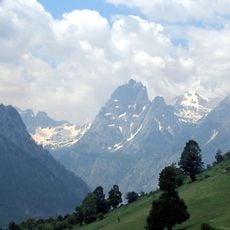
The Hoti area lies in mountainous terrain near the Albania-Montenegro border and requires preparation for uphill conditions. Visitors should expect basic road conditions and limited modern facilities in the villages.
During the Ottoman period, the Hoti received special status as a nahiya with tax exemptions and self-governance privileges that other regional communities did not enjoy. This historical autonomy made them a favored group within the empire.
The community of curious travelers
AroundUs brings together thousands of curated places, local tips, and hidden gems, enriched daily by 91,378 contributors worldwide.