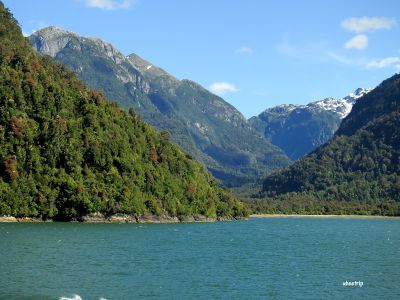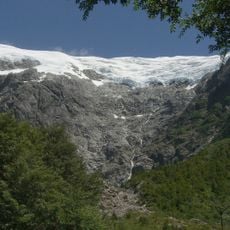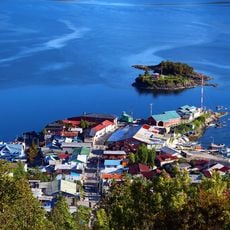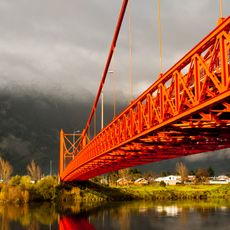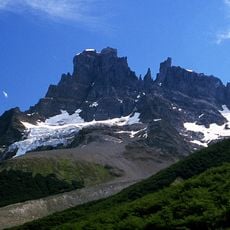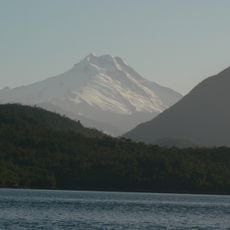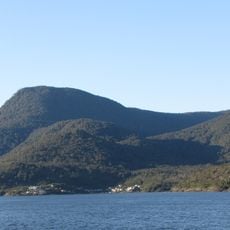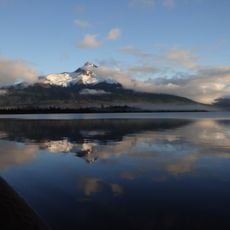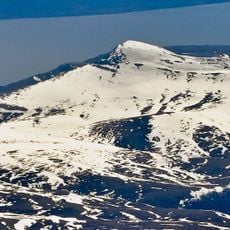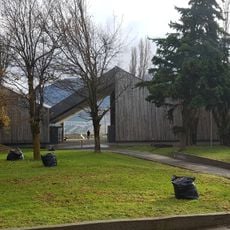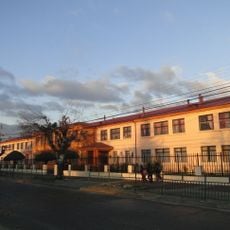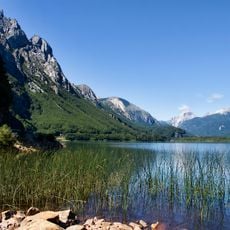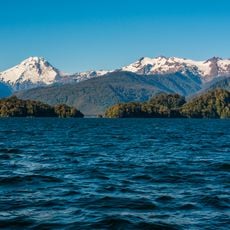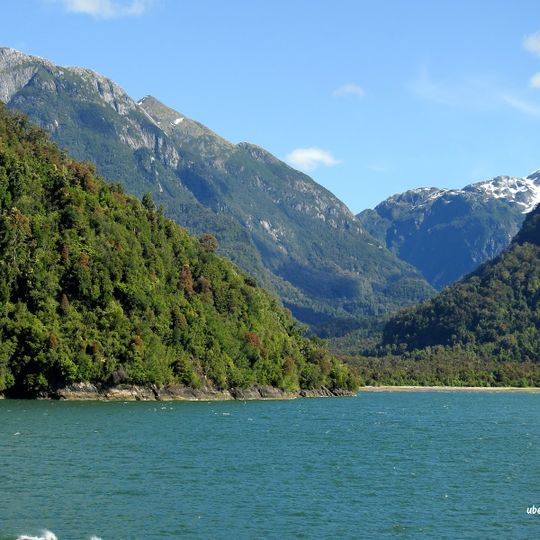
Aisén Fjord, Coastal fjord in southern Patagonia, Chile.
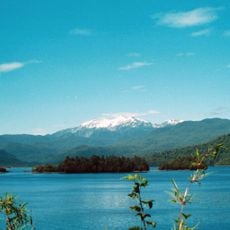
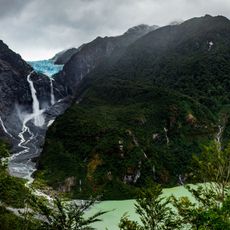
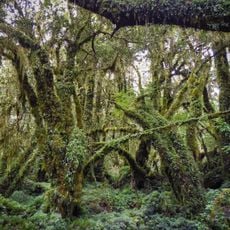
Aisén Fjord stretches roughly 70 kilometers from the Moraleda Channel through the Chonos Archipelago to mainland southern Chile. The waterway forms a branching system with numerous coves and islands bordered by dense forests.
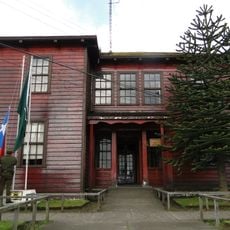
Enrique Simpson explored the fjord in 1870 aboard the Chacabuco, charting a route that gave access to inland locations. From the 1990s until August 2003, plans for an aluminium smelter at Puerto Chacabuco were opposed by salmon-farm companies citing water pollution. Between 22 January and 22 April 2007, the area around the fjord recorded a series of minor earthquakes.
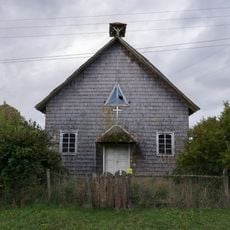
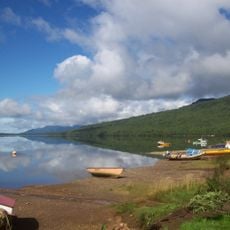
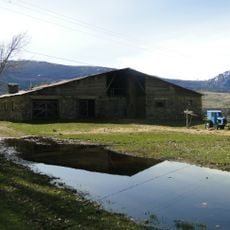
People living along the fjord depend on sheep farming, wool production, and fishing as their main activities. These traditional occupations shape how settlements look and function in the region today.
Puerto Chacabuco sits at the head of the fjord, where the Aysén River enters the water. The fjord connects indirectly to the open Pacific through the Darwin Channel, so approach is by sheltered inland water. Tides reach up to 8 meters, and westerly winds bring 4,000 to 7,000 mm of rain a year.
Several fjord features are named after the scientists and sailor of the 2001 CIMAR campaigns that reclassified the inlet from Seno to Fiordo Aysén: Punta Castillo, Estero Cáceres and Estero Arnoldo honour researchers Manuel Castillo, Mario Cáceres and Arnoldo Valle-Levinson, and Punta Sánchez honours the sailor Brian Sánchez.
The community of curious travelers
AroundUs brings together thousands of curated places, local tips, and hidden gems, enriched daily by 94,227 contributors worldwide.