Patagonia National Park, National park in Aysén Region, Chile
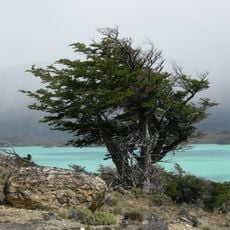
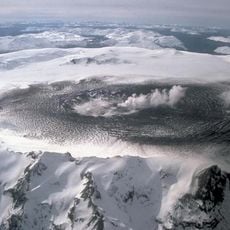
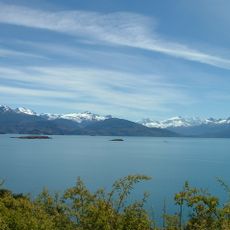
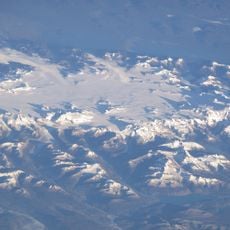
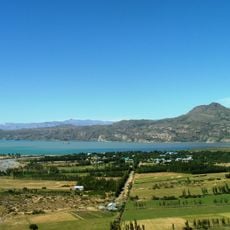
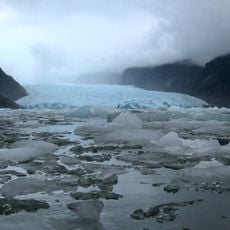
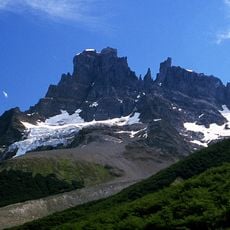
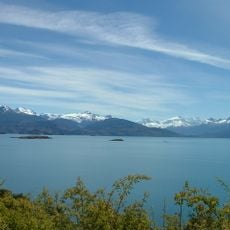
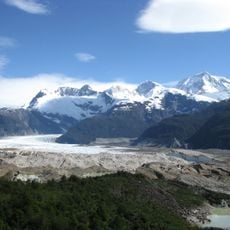
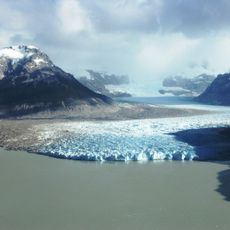
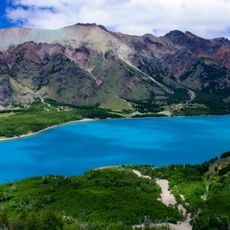
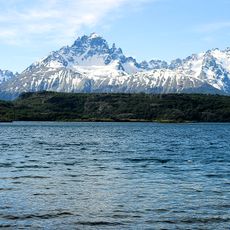
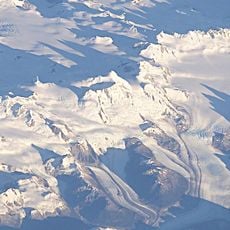
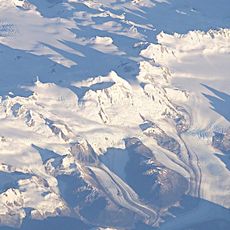
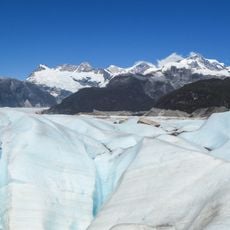
Patagonia National Park spans vast terrain featuring snow-capped mountains, dense forests, and numerous lakes and lagoons throughout the region. The Chacabuco Valley runs through the center, carved by river systems and enclosed by high peaks on all sides.
The Chacabuco Valley served as a passageway for nomadic groups across thousands of years before cattle ranching transformed the region in the modern era. This shift marked a major change in how the land was used and managed.
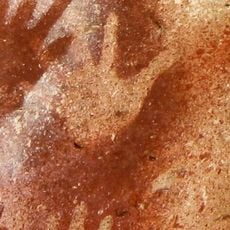
Rock art in the park's northern sector includes shelters, a "Piedra Clavada" bearing petroglyphs, and a "Cueva de las Manos" near the Pedregoso River. The oldest paintings date back more than 7,000 years; the most recent are of Tehuelche origin.
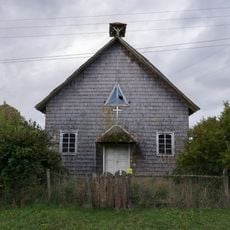
Access is by road: the park lies along the Carretera Austral, roughly 300 km from Balmaceda airport, the nearest, and there is no regular public transport to Coyhaique. The park is open October to April. Trails, campgrounds and a visitor center with museum, restaurant and overnight lodging sit around the Chacabuco Valley headquarters.
The huemul population in the park, estimated at 100 to 200 animals, is one of the largest known surviving populations on Earth, and habitat loss, livestock diseases, hunting and dog predation have cut the species to around 1,500 individuals overall. Conservación Patagónica made huemul recovery a top priority in 2022, tracking pumas with GPS collars to learn their predation patterns near the deer.
The community of curious travelers
AroundUs brings together thousands of curated places, local tips, and hidden gems, enriched daily by 93,761 contributors worldwide.