Guamblin Island, Nature reserve in Cisnes, Chile
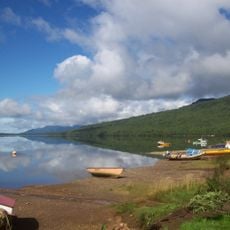
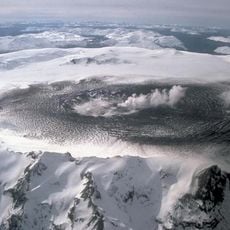
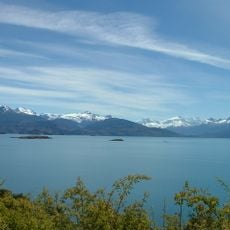
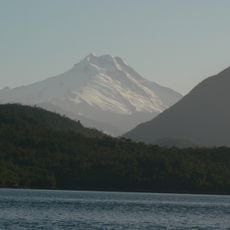
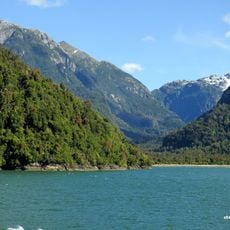
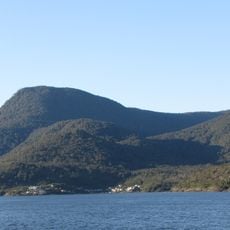
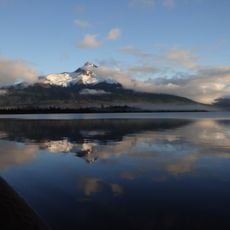
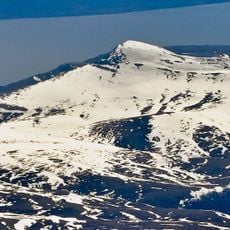
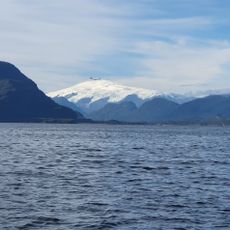
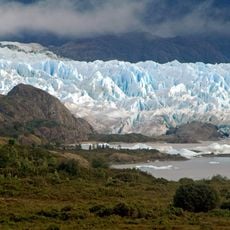
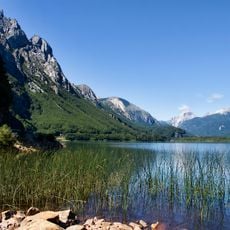
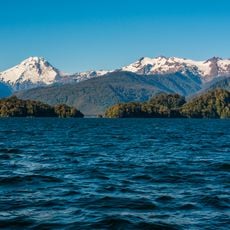
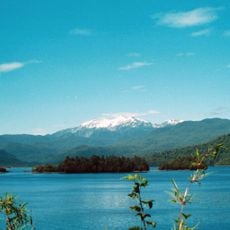
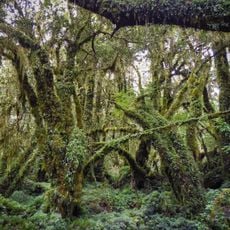
Parque Nacional Isla Guamblín is a nature reserve in the Aysén Region covering roughly 10,625 hectares of protected land entirely surrounded by the Pacific Ocean. The island features rocky coastlines, thick forests, and wind-shaped vegetation typical of southern Chilean fjords.
Francisco Cortés Ojea, commanding the San Sebastián during Juan Ladrillero's 1557–1558 expedition, named the island Nuestra Señora del Socorro. Ladrillero described it as populated and about four leagues around, suggesting the Chono were present. In 1725 the Dutch ship Don Louis anchored here; three men left ashore died before rescue. The Liberian tanker Napier ran aground in June 1973, spilling some 30,000 tonnes of oil, which Chilean Hawker Hunters burned off.
The island's name Guamblín is of Chono origin, while the Spanish name Nuestra Señora del Socorro was given by Francisco Cortés Ojea in 1557–1558. The Chono, hunter-gatherers who moved by canoe, visited the island temporarily from the 13th or 14th century; Ladrillero described it as populated and flat, about four leagues around. No permanent settlement was ever established.
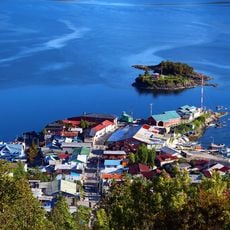
The park has no visitor facilities and requires private boat transportation from Puerto Aguirre to reach the island. Access is challenging due to the exposed ocean location and often rough weather conditions.
The blue whales that feed off Guamblín come within about 100 metres of the shore between December and April, a proximity that draws scientists from around the world. The island is also a breeding ground for sooty shearwaters, gulls, cormorants and ducks, and holds a large sea lion colony.
The community of curious travelers
AroundUs brings together thousands of curated places, local tips, and hidden gems, enriched daily by 94,043 contributors worldwide.