Tantauco Park, Nature reserve in Chiloé Province, Chile
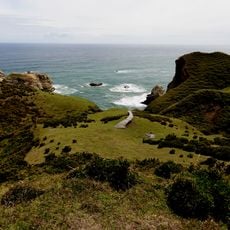
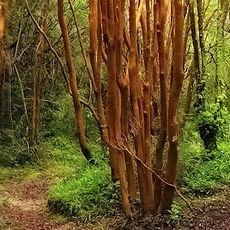
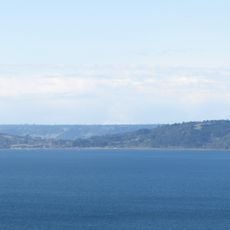
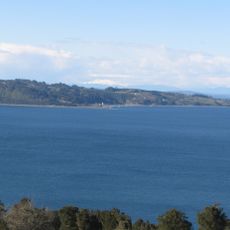
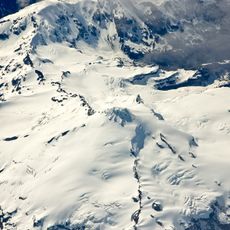
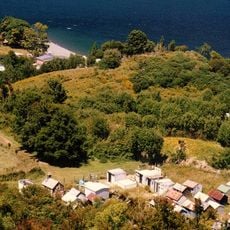
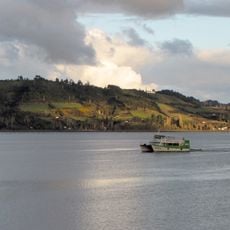
Tantauco Park is a nature reserve on the southern part of Chiloé Island, covering a large area dominated by dense forests, rivers, lakes, and peat bogs left behind by the last ice age. Walking through it, visitors encounter a mix of forest types and wetlands that create very different landscapes within short distances.
In 1997 the US forestry businessman Jeremiah Henderson bought 123,000 hectares in Quellón for a native-forest venture; market conditions, pressure from environmental groups and land claims by Huilliche communities stopped it. After failed auctions and sales, Sebastián Piñera bought 118,000 hectares from him in late 2004 for about 6 million dollars, advised by Douglas Tompkins, and opened the park to the public.
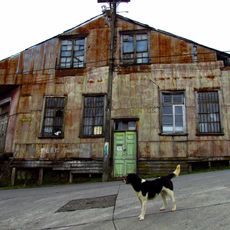
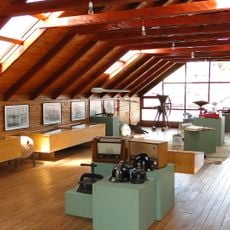
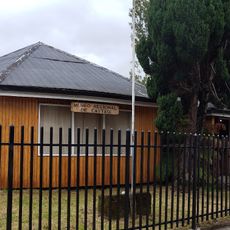
The park's name comes from the 1826 Treaty of Tantauco, the Spanish-Chilean capitulation that Huilliche communities of Quellón cite as guaranteeing their ancestral lands; a council of caciques called the renaming an offense. At Caleta Inío a museum is dedicated to the Chono people, the canoe-going culture of the southern archipelagos.
The park has over 150 kilometers of marked hiking trails for different experience levels, and two campgrounds with basic facilities for overnight stays. The best time to visit is during the local summer when the weather is milder and trails are more accessible.
The park's name comes from the 1826 Treaty of Tantauco, the Spanish-Chilean capitulation that Huilliche communities cite as guaranteeing their lands; a council of caciques called the renaming an offense. The park also holds a museum at Caleta Inío devoted to the Chono people, and San Pedro Island was added in 2003 after the state swapped it for 4,780 hectares claimed near Piedra Blanca.
The community of curious travelers
AroundUs brings together thousands of curated places, local tips, and hidden gems, enriched daily by 92,775 contributors worldwide.