Alfaguara project, Marine conservation protected area in Puñihuil, Chiloé Island, Chile
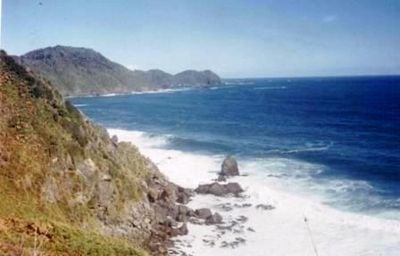
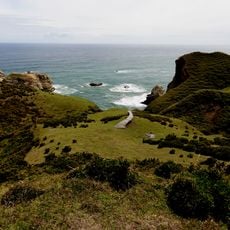
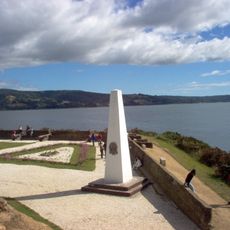
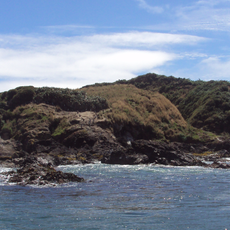
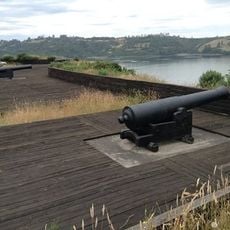
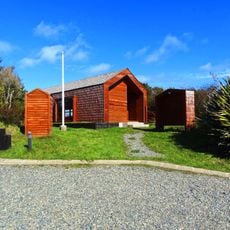
The Alfaguara project protects waters off the northern coast of Chiloé Island through systematic monitoring of blue whale populations and marine ecosystem research. The area includes several monitoring stations positioned along the coastline where researchers gather data on whale movements and ocean health.
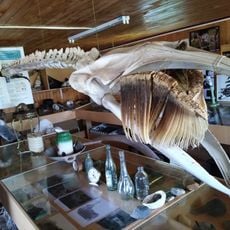
Industrial whaling devastated blue whale populations in the South Pacific during the 20th century, prompting the creation of this conservation project once hunting ceased. The recovery efforts here demonstrate how protected areas can help rebuild whale populations over time.
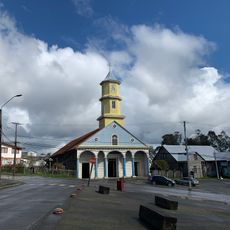
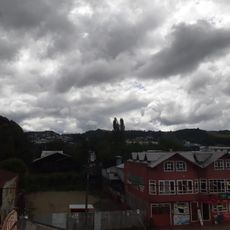
Local fishing communities in Puñihuil have joined conservation work and created tourism activities that bring income to their villages. This participation weaves together their traditional maritime heritage with current environmental responsibility.
Visitors watch blue whales in their natural habitat on guided tours led by certified local operators who follow strict environmental rules. The tours are designed to keep a safe distance from the whales and minimize disturbance.
The project has catalogued hundreds of individual blue whales using photo identification, creating a detailed database that tracks each whale's movements and life history. This method allows researchers to recognize the same whales across many years of observation.
The community of curious travelers
AroundUs brings together thousands of curated places, local tips, and hidden gems, enriched daily by 90,977 contributors worldwide.