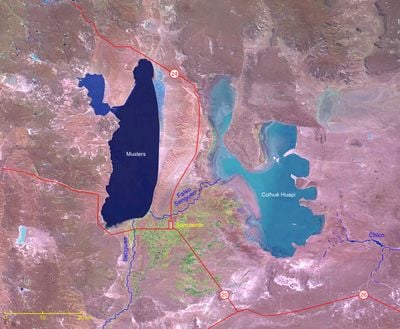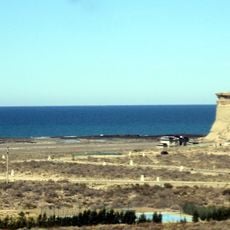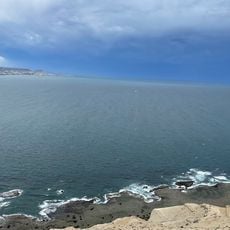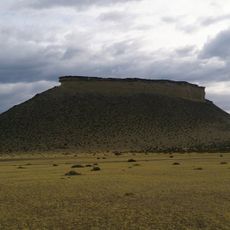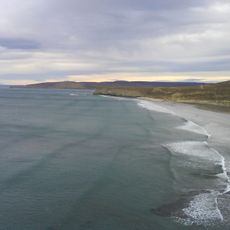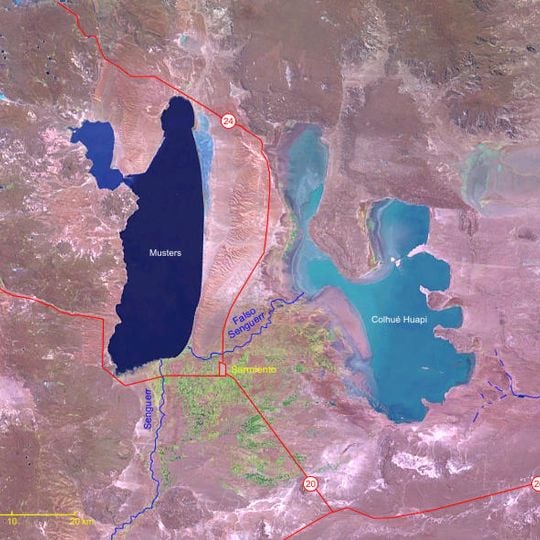
Lake Colhué Huapi, Endorheic lake in central Patagonian region, Argentina.
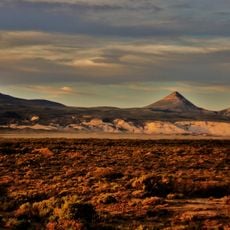
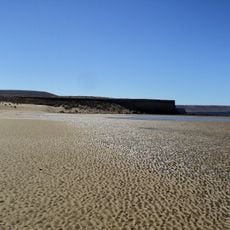
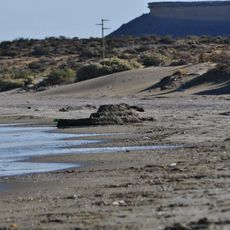
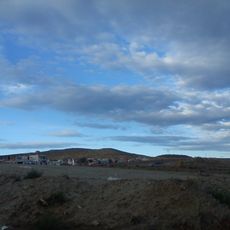
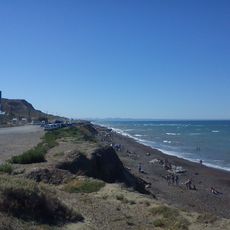
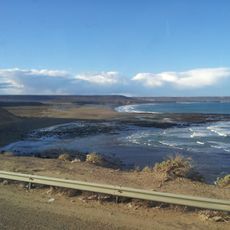
Lake Colhué Huapi spreads across central Patagonia as a shallow body of water dotted with reddish clay islands throughout its expanse. The shoreline is irregular, and the water takes on a cloudy, mineral-rich appearance.
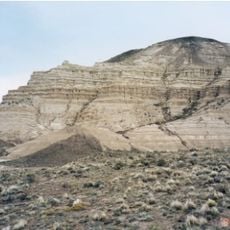
This water body developed from an ancient paleolake through gradual geological shifts and climate changes over thousands of years. These natural transformations shaped the current landscape visitors encounter today.
The waters and islands hold significance in regional indigenous storytelling, where mythical creatures were believed to dwell in these depths. Local communities maintain a connection to these narratives as part of their relationship with the landscape.
Water levels vary significantly throughout the year depending on seasons and weather patterns, so checking conditions beforehand helps with planning. The shoreline can recede noticeably during dry periods, affecting access to different areas.
During dry phases, massive dust storms rise from the exposed lakebed and can travel thousands of kilometers, spreading effects across the region and beyond. These events reveal how powerfully this water body influences its surrounding environment.
The community of curious travelers
AroundUs brings together thousands of curated places, local tips, and hidden gems, enriched daily by 91,445 contributors worldwide.