Nahuel Huapi Lake, Glacial lake in Río Negro Province, Argentina
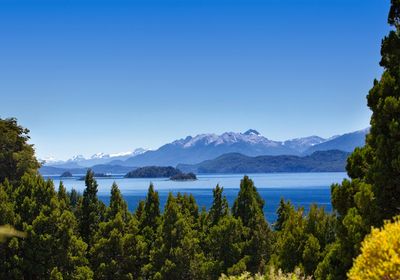
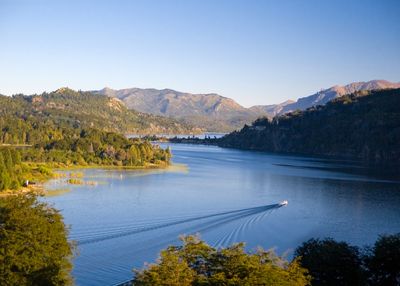
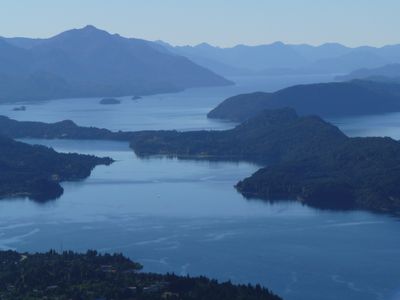
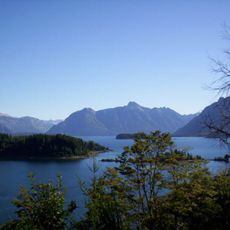
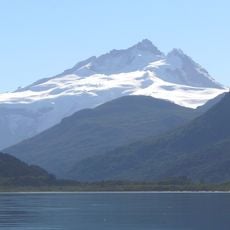
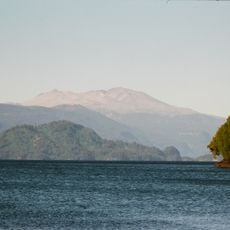
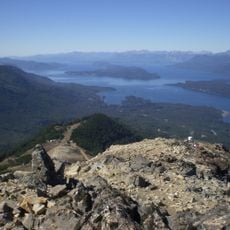
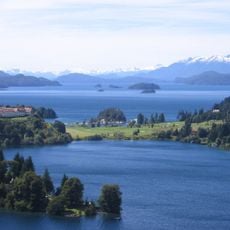
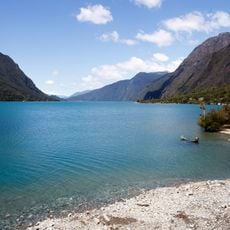
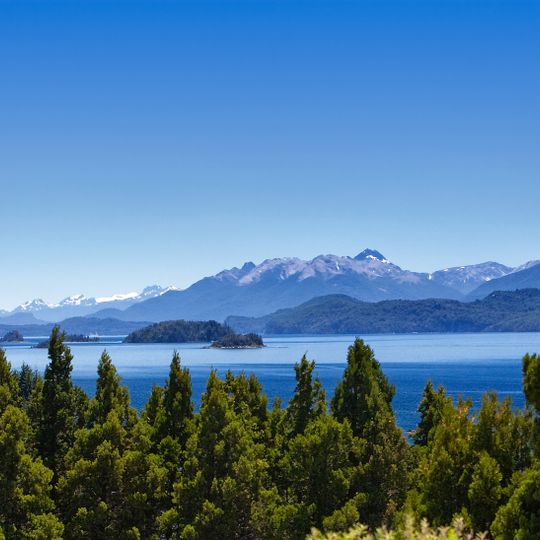
Nahuel Huapi is a glacial lake in northern Patagonia with a northwest-southeast elongated shape, covering 530 square kilometers at 770 meters above sea level. Its seven branches, including Blest, Huemul and de la Tristeza, form peninsulas and inlets, and Isla Victoria, the largest island at 31 square kilometers, lies within the deep-blue water.
Diego Flores de León reached the lake in 1621 from Chile, and Jesuits founded the Misión del Nahuel Huapi on the Huemul Peninsula in 1670; it was abandoned in 1718 after five missionaries were killed. On 22 January 1876 Francisco Pascasio Moreno sailed up the Limay River to the eastern shore, and Lieutenant Eduardo O'Connor later reached it by boat, naming his craft Modesta Victoria.
The name comes from the Mapudungun language and means Island of Puma, showing the indigenous roots of this Patagonian area. Visitors today see this connection in the names of surrounding peaks and bays.
The water stays between 7 and 8 degrees Celsius year-round, so swimmers and water sports enthusiasts should take precautions against hypothermia. On windy days, conditions across the open water can change quickly.
Rainbow trout, brown trout and brook trout thrive in these deep waters, which reach down to 464 meters in some sections. These fish populations draw anglers from different countries who explore the remote coves.
The community of curious travelers
AroundUs brings together thousands of curated places, local tips, and hidden gems, enriched daily by 92,722 contributors worldwide.