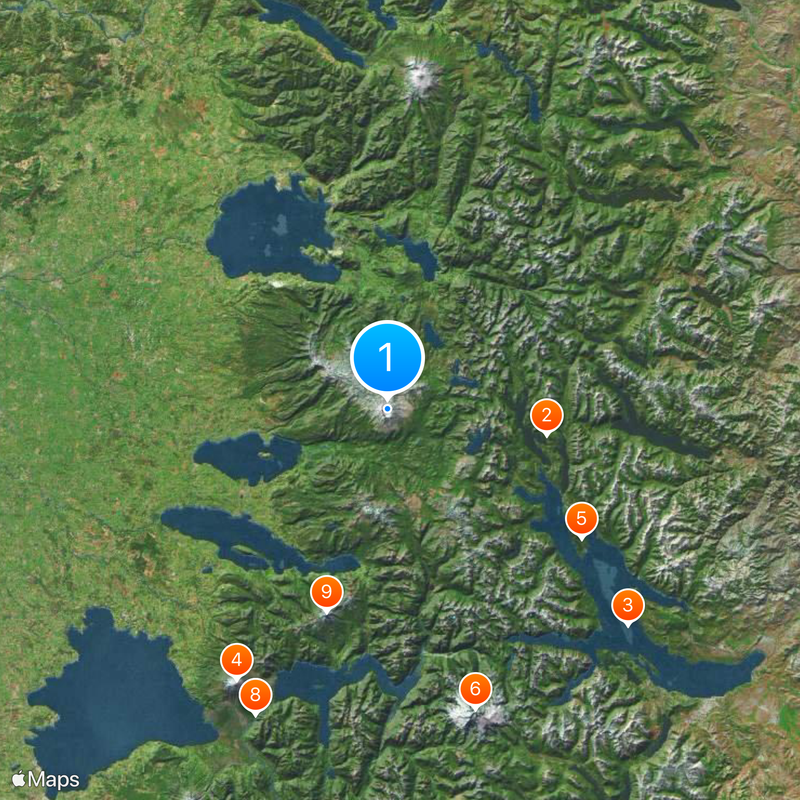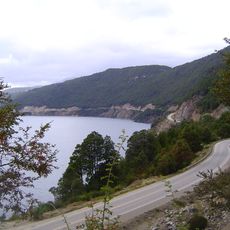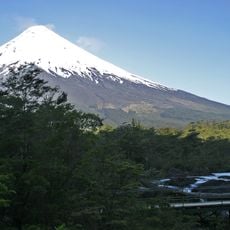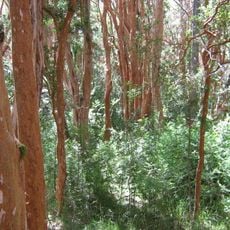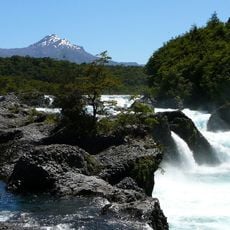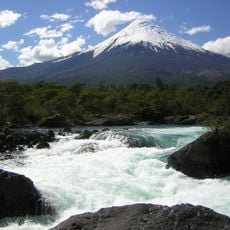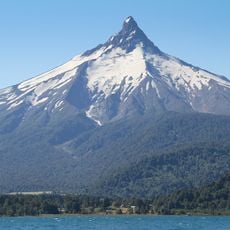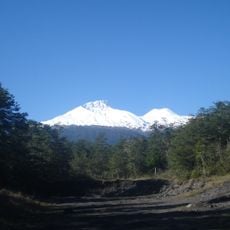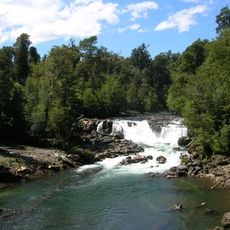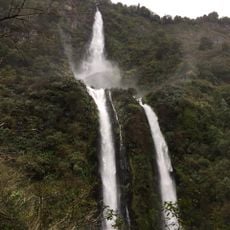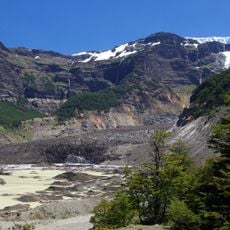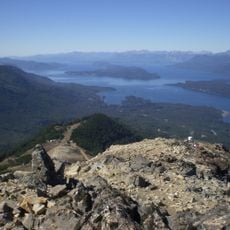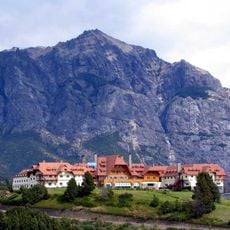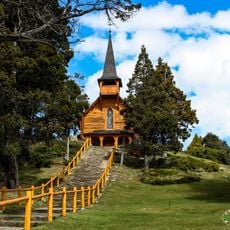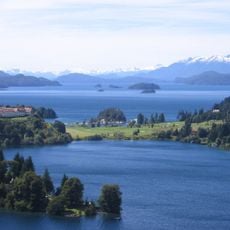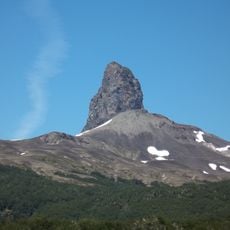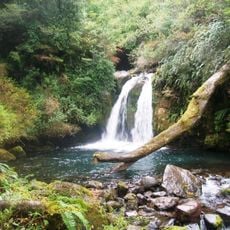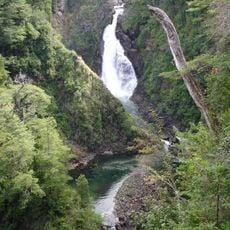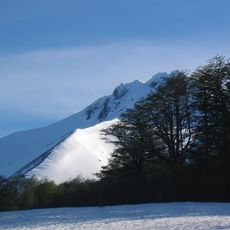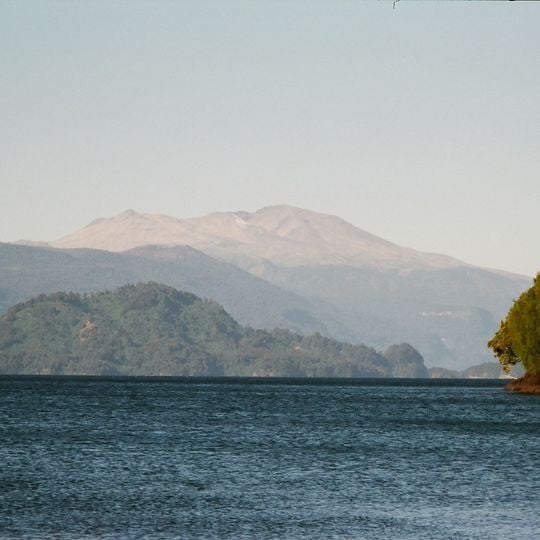
Puyehue-Cordón Caulle, Stratovolcano in Los Ríos Region, Chile.
Puyehue-Cordón Caulle is a volcanic complex composed of four volcanoes in the Southern Andes mountain range, reaching an elevation of 2,236 meters (7,336 feet). The formation extends over several kilometers and includes active craters as well as extensive geothermal zones with visible steam vents.
The Great Chilean Earthquake of 1960 triggered a major eruption at Puyehue-Cordón Caulle, demonstrating the connection between seismic and volcanic activity. Another large eruption occurred in 2011, sending an ash cloud that reached several neighboring countries.
The name Puyehue comes from Mapudungun and means 'place of small fishes', a reference to the lakes and streams that formed around the volcanic slopes. Local communities still recognize the mountain as part of their ancestral landscape, though today it draws researchers and travelers rather than traditional gatherings.
Route 215-CH from Fundo El Caulle provides access to paths leading toward observation points and geothermal areas. Weather conditions can change quickly, so warm clothing is advisable even during summer months.
The geothermal system reaches temperatures of 340 degrees Celsius (644 degrees Fahrenheit) in vapor systems, making the site a major focus for thermal energy research. The heat beneath the surface keeps several hot springs active, scattered around the complex.
The community of curious travelers
AroundUs brings together thousands of curated places, local tips, and hidden gems, enriched daily by 91,359 contributors worldwide.