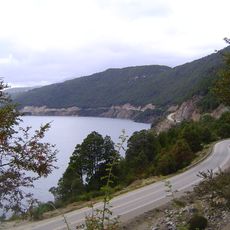
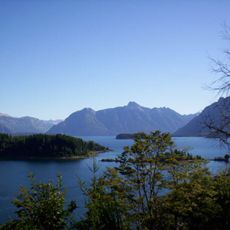
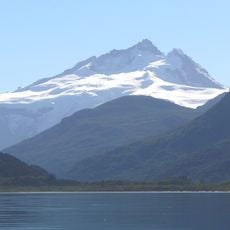
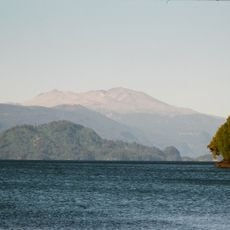
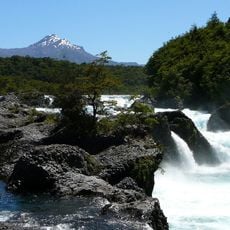
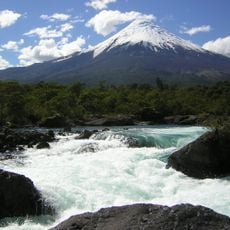
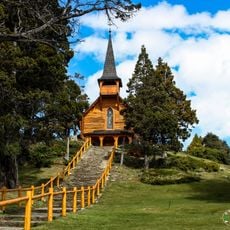
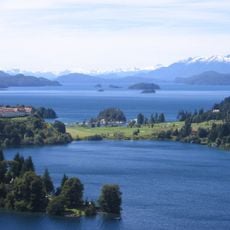
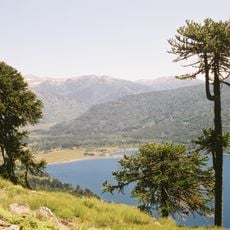
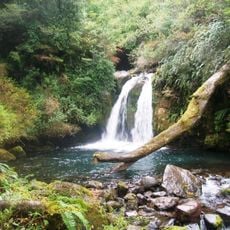
Puyehue National Park, Nature reserve in Los Lagos region, Chile.
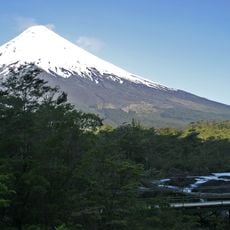
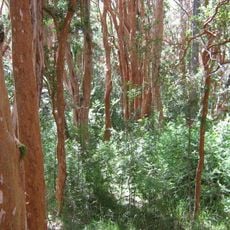
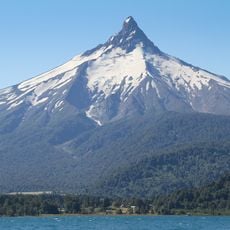
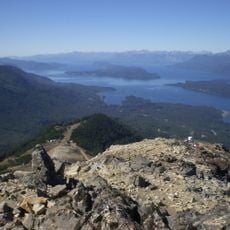
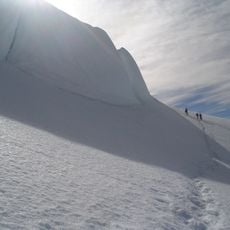
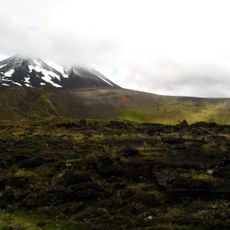
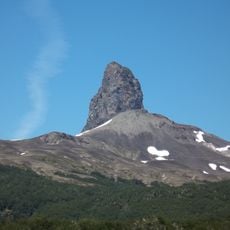
Puyehue National Park lies in the Andes of southern Chile, split into the Aguas Calientes, Anticura and Antillanca sectors. Its lower slopes carry Valdivian temperate rainforest of coigüe, ulmo and olivillo, giving way higher up to coigüe, tepa and mañío. The park is dominated by Puyehue volcano, the Cordón Caulle and the Antillanca group.
Puyehue National Park was created in 1941 by a supreme decree of Chile's Ministry of Lands and Colonization. Its territory was expanded in 1950, and its current boundaries were fixed in 1981 by decree of the Ministry of National Assets. In 1994 a decree designated the park's subsoil a scientific site of interest for mining, requiring presidential and ministerial permission for any extraction.
The park's name comes from the Mapuche word puyehue, referring to the small fish (puyes) of Lake Puyehue. The three sectors carry descriptive names: Aguas Calientes (hot waters) for its thermal pools, Anticura (sun stone), and Antillanca. Visitors today use the sector names to orient themselves along Route 215.
The main administration is in the Aguas Calientes area, with warden stations in all three sectors. The Anticura sector charges a small entrance fee, while access to Aguas Calientes is free. The trail to Berlín Lake runs 6.8 miles and takes about five hours round trip, with a rustic shelter for six people at the lake.
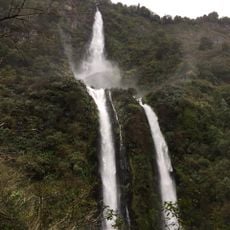
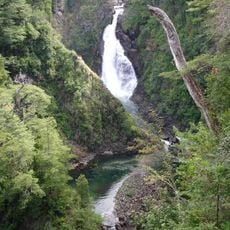
The Antillanca ski centre sits on the slopes of Casablanca volcano, not the Puyehue volcano itself, and operates in winter. In the Anticura sector, the Aguas Calientes pools reach 42 °C beside the Pichilanleufu river. The park also holds an 800-year-old coigüe forest and the Salto de la Princesa waterfall on a Golgol tributary.
The community of curious travelers
AroundUs brings together thousands of curated places, local tips, and hidden gems, enriched daily by 92,730 contributors worldwide.