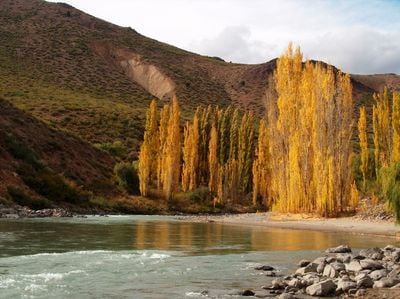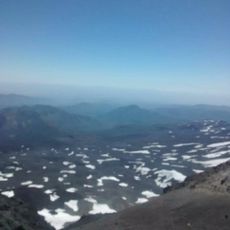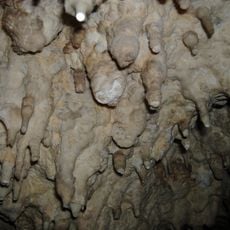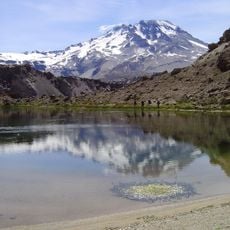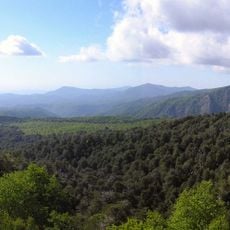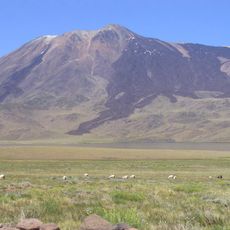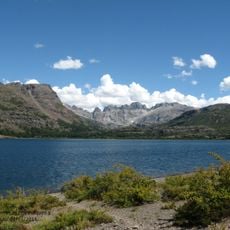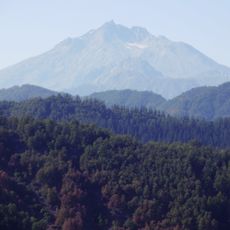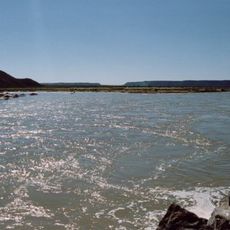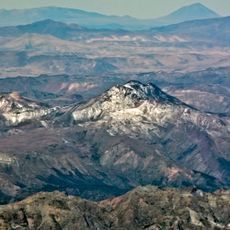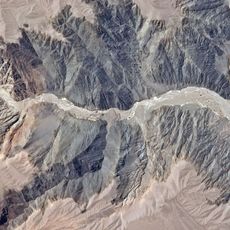
Neuquén River, Major river system in Patagonia, Argentina.
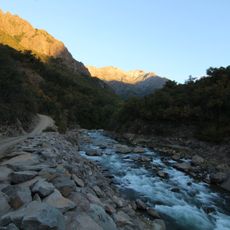
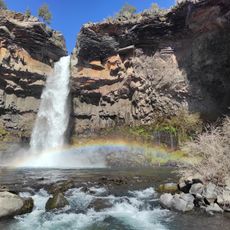
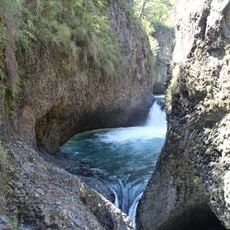
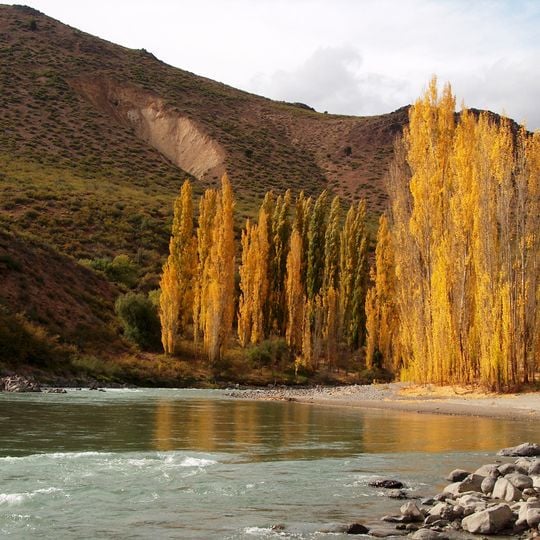
The Neuquén River is a major river system in Patagonia that flows for approximately 510 kilometers through the Andes mountains. It gathers water from many mountain streams before merging with the Limay River to form a significant regional waterway.
The construction of the Ballester Dam in the early 1900s transformed the Alto Valle region by creating an extensive irrigation network. This infrastructure greatly enabled agricultural expansion in the area.
The name Neuquén comes from the Mapuche language and refers to the river's forceful and turbulent nature as indigenous peoples perceived it. This naming reflects how local communities have long understood the waterway as a dynamic force shaping their land.
The river is accessible year-round with multiple viewing points along its course. The best time to visit is during warmer months when water levels are more stable and roads are easier to travel.
The river's basin contains rock formations from the Mesozoic era that preserve fossils of Giganotosaurus carolinii. This dinosaur was larger than Tyrannosaurus rex and lived more than 90 million years ago.
The community of curious travelers
AroundUs brings together thousands of curated places, local tips, and hidden gems, enriched daily by 92,726 contributors worldwide.