Barrio Viel, Historical residential district in Santiago, Chile
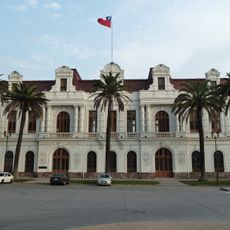
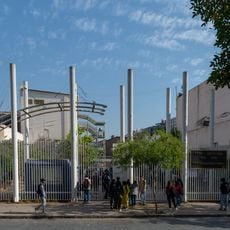
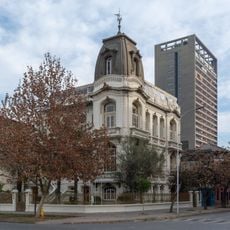
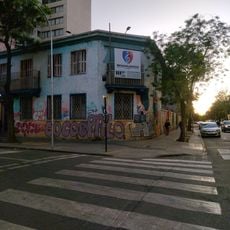
Barrio Viel is a residential neighborhood in Santiago with buildings from the early 1900s located between Avenida Viel, Avenida Manuel Antonio Matta, and the streets of San Ignacio and General Rondizzoni. The houses show typical features of working-class settlements from that time, with original street layouts and small local shops.
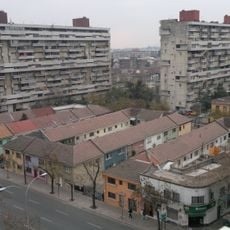
The area's housing dates from 1930 to 1960, not the late 1800s. Chile's 1906 Workers' Housing Law (Ley 1.838) first brought state action to the worker housing problem, and the Elena Barros condominium of 48 houses, with a community hall and central plaza, was built by the Fundación Benéfica de Habitaciones para Obreros Elena Barros and is still run by it. In the early 1930s Manuel Cifuentes designed the Cousiño and Cifuentes complexes, and in the mid-1950s the rationalist Matta-Viel complex followed.
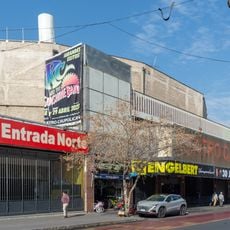
The Elena Barros complex, with 48 houses, a community hall and a central square, is still run by the foundation created in 1938 to house indigent families. The Cousiño and Cifuentes complexes, designed by Manuel Cifuentes, include the Teatro Parque Cousiño. The Matta-Viel complex, from the mid-1950s, was designed by Valdés, Castillo, Huidobro and Bresciani.
The neighborhood is easily accessible by Santiago's public transportation and walkable on foot to explore at your own pace. Keep in mind it remains an active residential area, so visitors should be respectful when observing the streets and buildings.
The 2009 designation was made by Decree No. 207 of 5 June 2009, signed by Education Minister Mónica Jiménez de la Jara under President Michelle Bachelet's order and published in the Diario Oficial on 7 July 2009. The protected area is not uniform: low-rise buildings of differing construction types and ages coexist, covering worker housing models promoted by state policy between 1930 and 1960.
The community of curious travelers
AroundUs brings together thousands of curated places, local tips, and hidden gems, enriched daily by 92,752 contributors worldwide.