Capote, Archaeological ruins in Atacama Region, Chile
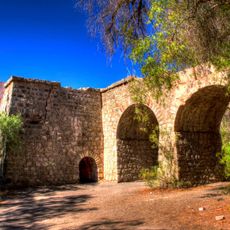
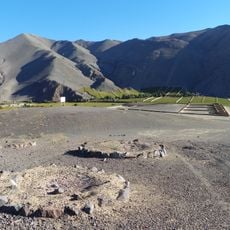
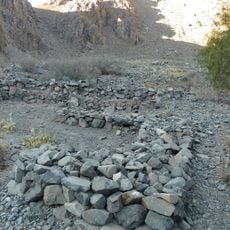
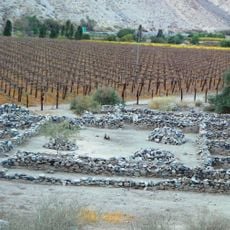
Capote is an archaeological site with stone structures from pre-Hispanic settlements at 2000 meters elevation in northern Chile. The complex includes residential areas, work zones, and furnaces that show how mining communities lived and worked in this high-altitude region.
The site developed as a mining settlement between the 8th and 12th centuries and was part of a wider Andean copper trade network. Later Spanish contact brought changes, but the original structures remained intact and visible today.
The ruins show how old communities mined and worked with copper, revealing their skill in handling metals. Visitors walking through the site can trace how people organized their settlements and used their tools for daily tasks.
The site sits at high elevation and requires good hiking gear and time to adjust to the altitude. Guided tours from Copiapó take you on marked paths through the ruins, which is the best way to visit safely and learn about the place.
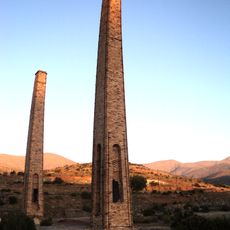
The smelting furnaces are surprisingly well preserved and show advanced copper processing techniques that were ahead of their time. These ovens reveal that Andean miners had mastered complex metallurgical skills long before European influence arrived.
The community of curious travelers
AroundUs brings together thousands of curated places, local tips, and hidden gems, enriched daily by 92,399 contributors worldwide.