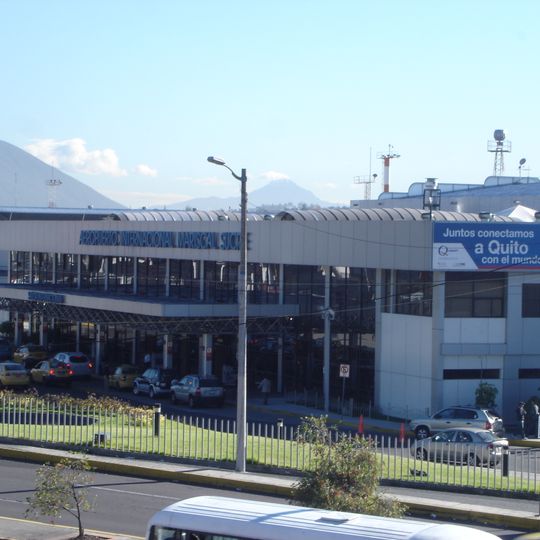
Old Mariscal Sucre International Airport, defunct international airport serving Quito, Ecuador
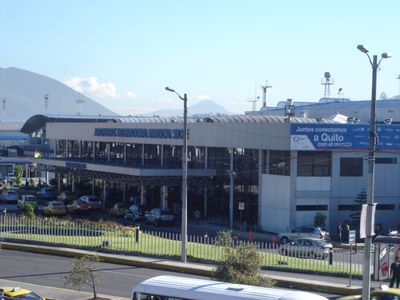
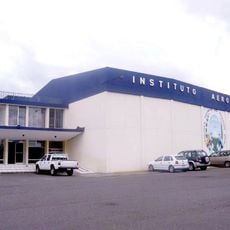
The Old Mariscal Sucre International Airport was Quito's main air hub for over 50 years, operating from 1960 to 2013 in the northern part of the city and surrounded by residential neighborhoods. The facility included a two-story terminal building with departure areas, restaurants, and airline offices, along with asphalt runways, ten gates, and maintenance areas that handled both domestic and international flights.
The airport opened in 1960 as a symbol of Ecuador's growing connection to the world and was named after a Venezuelan independence hero. After decades of operation, recurring accidents caused by the high altitude location and physical constraints in the densely populated area prompted the decision to build a new airport outside the city, which opened in 2013.
The airport was named after Antonio José de Sucre, a Venezuelan independence hero, reflecting its importance to Ecuador's national identity. The facility was closely woven into the daily life of nearby neighborhoods, where residents witnessed the constant activity of travelers and aircraft as part of their routine.
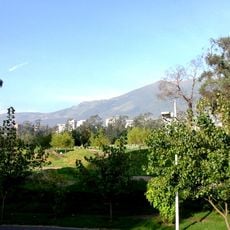
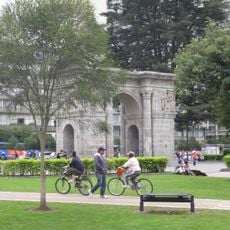
The site is now a large public park called Parque Bicentenario, freely accessible for walking, relaxing, and outdoor activities where you can see traces of the former runways. The open layout makes it easy to explore the area on foot and understand the scope of what once was a busy airport.
The airport sat at approximately 2,800 meters elevation, making it one of the world's highest international airports and requiring pilots to develop specialized landing skills. This extreme altitude shaped operations throughout its history and made takeoffs and landings technically demanding, giving Quito a distinctive place in aviation history.
The community of curious travelers
AroundUs brings together thousands of curated places, local tips, and hidden gems, enriched daily by 91,818 contributors worldwide.