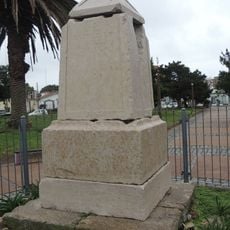
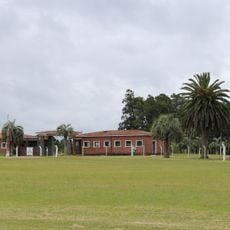
Molino Lavagna, Cultural heritage monument in San Carlos, Uruguay
Molino Lavagna is a former flour mill situated along the Maldonado stream in San Carlos, originally powered by flowing water to grind grain into flour. The building displays the industrial architecture typical of late 19th century mills and now stands as a protected monument.
Ignacio Lavagna, a migrant from Savona in the province of Genoa, arrived in Uruguay in 1870 and worked at the Molino Perdomo for over fourteen years. In 1884 he settled in San Carlos, bought land by the Maldonado stream, and built a small dam and an artificial canal on the left bank to power his mill. He died in January 1928; that April a large fire damaged the structure and production, and the mill stopped working on 5 May 1931. It was declared a National Historical Monument in 2005.
This mill shaped how the neighborhood developed, supplying flour to local bakeries and creating a hub where farmers and townspeople regularly gathered. Its presence left a lasting mark on how people organized their daily work and commerce.
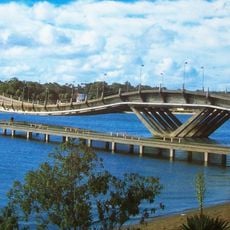
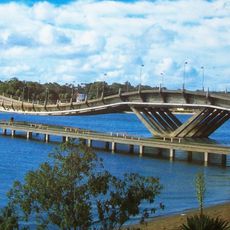
This site sits on Avenida José Enrique Rodó in the Lavagna neighborhood and can be reached via the Lavagna Bridge spanning the Maldonado stream. The location is fairly central within San Carlos, making it accessible from downtown areas nearby.
Ignacio Lavagna arrived from Savona in 1870 and worked more than fourteen years at the Molino Perdomo before buying land beside the Maldonado stream in 1884. There he built a small dam and an artificial canal on the left bank to drive the mill's hydraulic machinery.
The community of curious travelers
AroundUs brings together thousands of curated places, local tips, and hidden gems, enriched daily by 94,503 contributors worldwide.