Museo Arqueológico Argentino Ambato, Archaeological museum in La Falda, Argentina.
The Museo Arqueológico Argentino Ambato displays objects from the everyday life and rituals of people who lived in this region long ago, including pottery, urns, pipes, and masks. The collection contains over 300 pieces and provides insight into the different cultures that inhabited these areas.
Aroldo Rosso, an amateur archaeologist, gathered the collection over 40 years of digs, working in the Ambato Department of Catamarca; Alberto Rex González dated the Ambato Phase of the Aguada culture to 650–900 AD, 200 years earlier than previously thought. The museum opened to the public on 23 October 1987 under Governor Eduardo Angeloz, in a 1930 summer house built by Guillermo Valdés that had later served as the Colegio San José.
The museum's collection reflects various regional peoples who lived in these territories long before modern borders existed, each leaving behind distinctive pottery and ritual objects that tell stories of their daily lives and beliefs. Walking through the galleries, you encounter the work of multiple communities whose artistic traditions shaped the landscape for centuries.
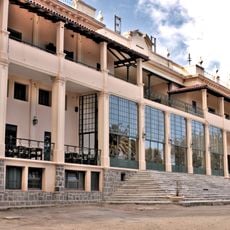
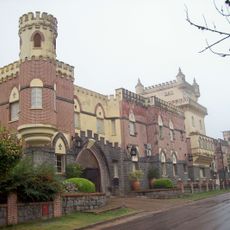
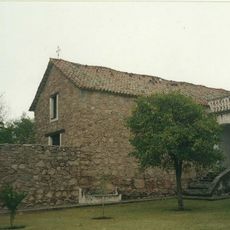
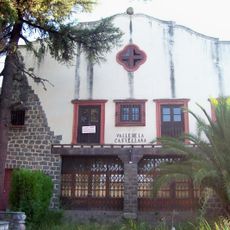
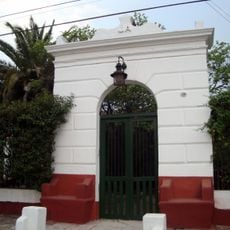
The museum occupies the 1930 casona built by Guillermo Valdés as a summer residence, later the Colegio San José until 1969. It stands among eucalyptus trees in La Falda, Córdoba Province. The building is a national historic, artistic and architectural heritage site; the collection is managed by the Asociación Civil Amigos del Museo Ambato.
In mid-March 2008 about 95% of the pieces, then displayed at the Hotel Edén, were stolen. A 2012 raid on a Buenos Aires warehouse on Calle Libertad recovered 58 objects valued at between 700,000 and one million dollars; the owner was charged as an accomplice.
The community of curious travelers
AroundUs brings together thousands of curated places, local tips, and hidden gems, enriched daily by 94,171 contributors worldwide.