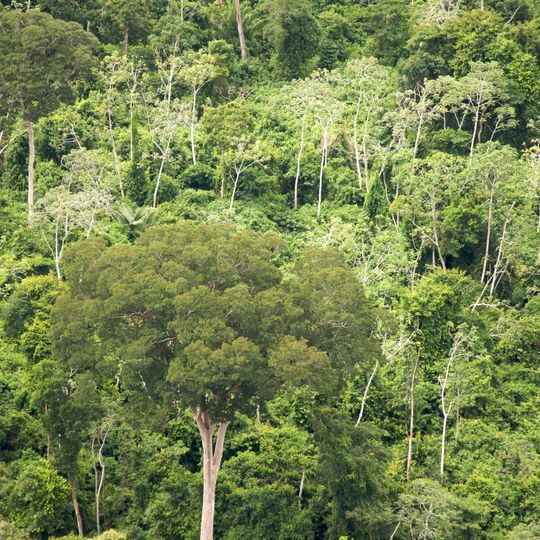
Chiquitano dry forests, Tropical dry broadleaf forest ecoregion in eastern Bolivia and western Brazil
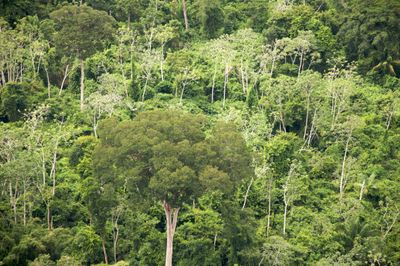
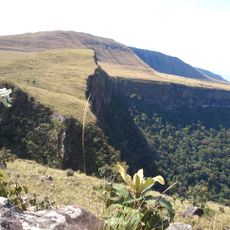
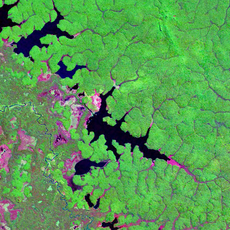
Chiquitano dry forests comprise deciduous and semi-deciduous woodland where trees shed leaves seasonally, with the tallest reaching around 35 meters high. The ecoregion spans eastern Bolivia and western Brazil, displaying variations in structure and plant life depending on local conditions.
Indigenous groups have shaped this forest through sustainable management practices developed over centuries. Legal recognition of community land rights in the region came during the 1990s, marking an important moment for forest governance.
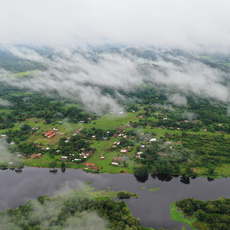
The Chiquitano people have adapted to forest life over generations, using traditional practices that reflect their deep connection to the land. You can observe this relationship in how local communities interact with and depend on the forest for their livelihoods.
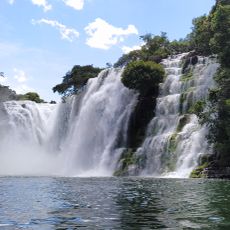
Rainfall varies across the region, with drier conditions in the south and wetter areas toward the northwest, affecting how the forest changes throughout the year. Plan your visit around the seasonal differences in vegetation and water availability across these areas.
This forest acts as a passage connecting the Amazon Basin to the Chaco region, allowing animals to move between two distinct landscapes. Jaguars and giant armadillos are among the larger mammals that inhabit and travel through these connecting pathways.
The community of curious travelers
AroundUs brings together thousands of curated places, local tips, and hidden gems, enriched daily by 60,000 contributors worldwide.