Casarabe culture, Pre-Columbian archaeological period in Llanos de Moxos, Bolivia
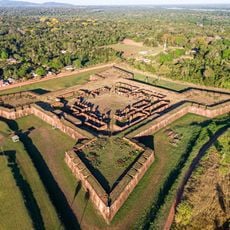
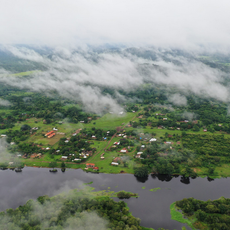
The Casarabe culture was a pre-Columbian civilization that flourished in the Llanos de Moxos region of Bolivia. The settlements included ceremonial centers, residential zones, and agricultural fields connected by waterways and elevated earthworks.
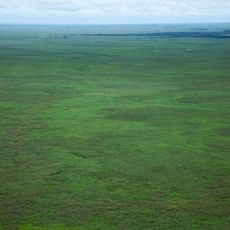
This society emerged between 500 and 1400 CE in the Bolivian savanna, forming a network of hundreds of interconnected settlements. Its development was driven by the ability to manage the challenging environment.
The name Casarabe comes from the Spanish rendering of the region's indigenous designation, and the culture is known mainly through archaeology rather than written records, since it had a strong oral tradition. Its regional organisation remains poorly understood. Visitors today see the raised causeways and canals that linked the settlements, and the U-shaped structures on stepped platforms.
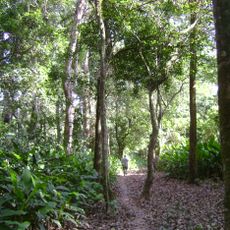
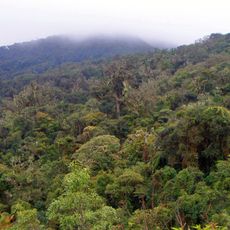
Modern research uses LIDAR technology to map the hidden structures beneath dense vegetation and reveal the layout of these settlements. Visitors should know that many sites are located in remote areas and require careful planning to access.
The settlements remained viable despite annual flooding because their inhabitants engineered elevated platforms and intricate canal systems. These solutions allowed them to use the land effectively during both wet and dry seasons.
The community of curious travelers
AroundUs brings together thousands of curated places, local tips, and hidden gems, enriched daily by 92,920 contributors worldwide.