Naletale, Archaeological site in south-central Zimbabwe
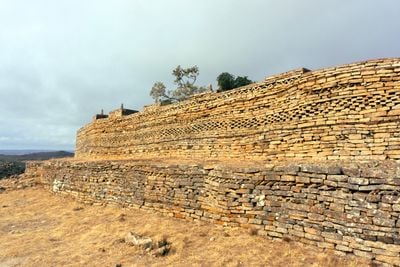
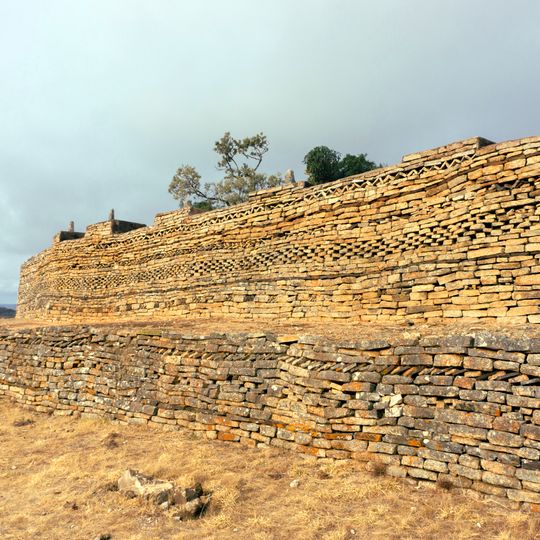
Naletale is an archaeological site in Matabeleland South, Zimbabwe, made up of dry-stone walls built without mortar on top of a granite hill. The walls form an oval enclosure and include raised platforms where houses once stood.
The site was built in the 17th century by a ruling group that came from the earlier Khami kingdom, which had itself grown out of the older Great Zimbabwe tradition. Naletale is considered one of the last major stone enclosures built in this tradition.
The stone walls are divided into sections, each decorated with a different geometric pattern such as herringbone, chevron, or cord-like designs. These patterns are thought to have marked the rank of those who lived behind each section.
Reaching the site requires a walk up a rocky granite hill on a steep and largely shadeless path, so sturdy footwear and water are important. Going early in the morning helps avoid the heat that builds up later in the day.
Excavations at the site have turned up pieces of Chinese porcelain and glass beads from the Indian Ocean trade network, showing that people living here had access to goods from very distant places. These objects were not made locally and must have passed through many hands before arriving here.
The community of curious travelers
AroundUs brings together thousands of curated places, local tips, and hidden gems, enriched daily by 92,589 contributors worldwide.