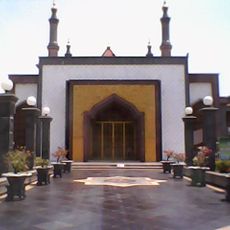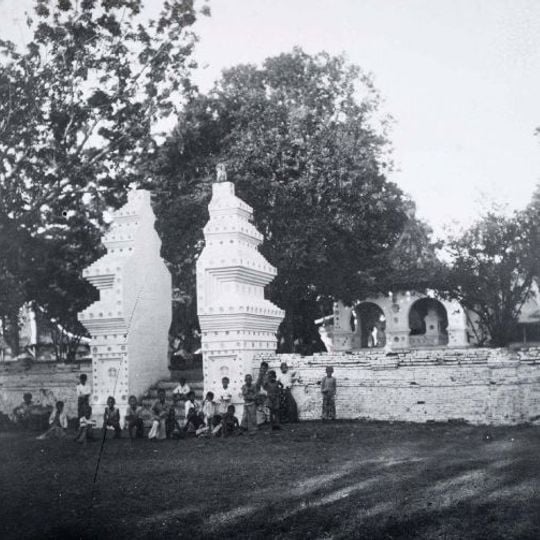
Kraton Kanoman, Palace in Cirebon City, Indonesia
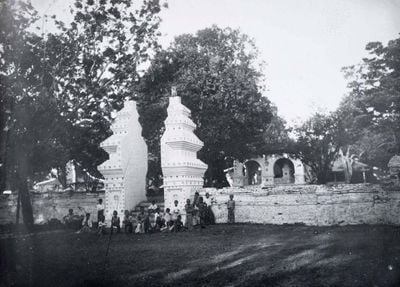
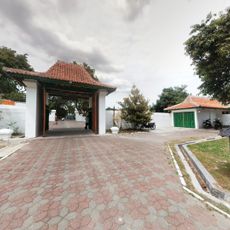
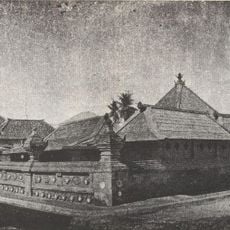
Kraton Kanoman is a sultanate palace in Cirebon that combines Sundanese, Javanese, Islamic, Chinese, and Dutch building styles. Several structures and courtyards spread across the grounds, forming a complex shaped by different periods and influences.
The palace was established in 1807 as a new residence during a period of resistance against colonial tax measures. The site evolved over the following decades, integrating building elements from different eras and cultures.
The name comes from Javanese and means 'younger palace', a reference to its position among the three sultanates in the city. Today, in the courtyards, preparations for traditional rituals using wayang puppets and gamelan instruments still take place, visible to those who visit.
Visitors can explore the grounds through guided tours that include the throne room, reception halls, and garden areas. Tours run during daytime hours and provide access to the main buildings within the complex.
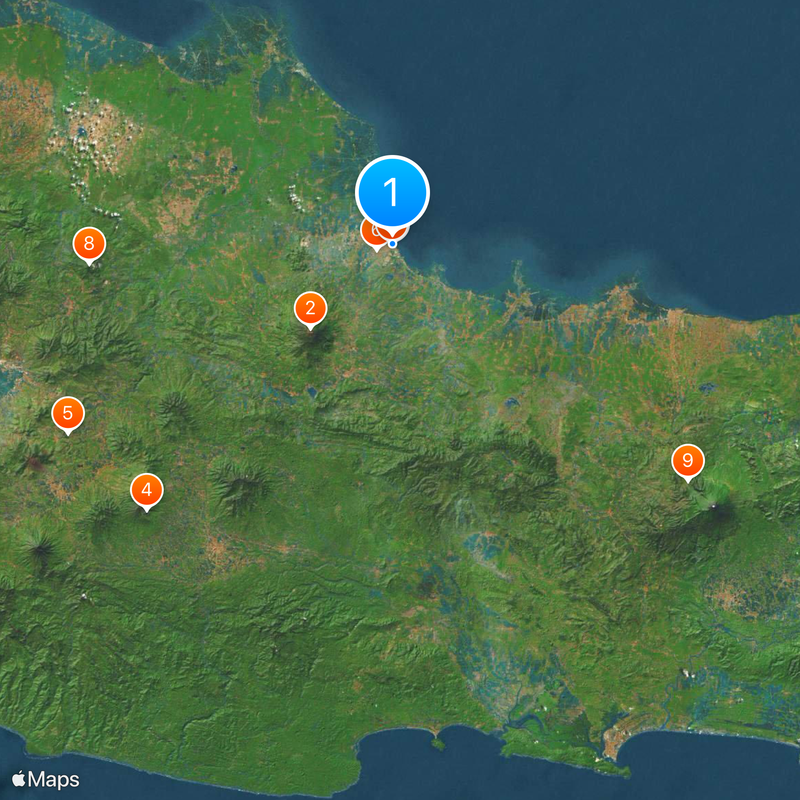
This palace is one of three active sultanate seats in the city, only a few hundred meters from the other two. The closeness of the three sultanates reflects a historical division of power within the same city.
The community of curious travelers
AroundUs brings together thousands of curated places, local tips, and hidden gems, enriched daily by 91,704 contributors worldwide.