Great Mosque of Cirebon, 15th-century mosque in Cirebon, Indonesia
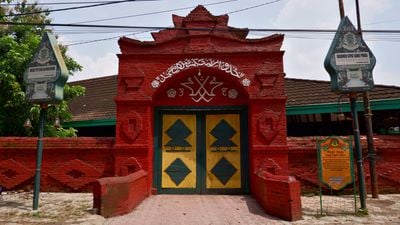
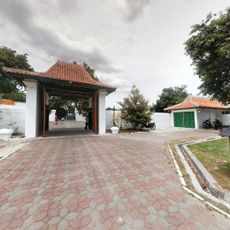
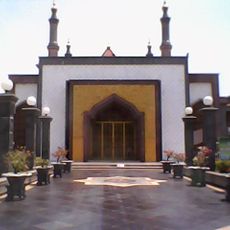
The Great Mosque of Cirebon, or Masjid Agung Sang Cipta Rasa, stands west of the Cirebon town square inside the Kasepuhan Palace complex. Its red brick gate has a stepped, curved top, an arched entry with yellow double doors bearing green diamonds, and white Arabic-style script above the arch. The mosque has two parts, a veranda and a main room reached through nine doors, and its roof has no peak.
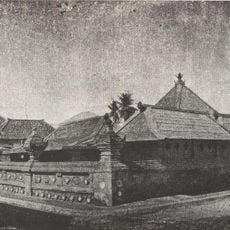
Construction began in 1480 during the reign of Sunan Gunung Djati under the guidance of Nyi Ratu Pakungwati. Craftsmen from the Majapahit and Demak kingdoms worked together on the erection of the structure.
The name Sang Cipta Rasa combines sang (grandeur), cipta (built) and rasa (used). Each Friday, seven muezzins in white robes perform the Adzan Pitu together for the Friday prayer, a practice tied to the legend of the mosque's lost roof finial. On the north veranda, the Banyu Cis Sang Cipta Rasa well, made of two pools, is visited for healing and to test honesty, especially during Ramadan.
The site on Kasepuhan Street in Lemahwungkuk district is accessible daily around the clock and charges no admission. Visitors should wear respectful clothing and come outside prayer times if they wish to tour the interior.
Every Friday, seven muezzins simultaneously perform the Adzan Pitu, a local tradition of the call to prayer while wearing white ceremonial dress. This custom is not common in other parts of Java and attracts worshippers from the entire region.
The community of curious travelers
AroundUs brings together thousands of curated places, local tips, and hidden gems, enriched daily by 93,676 contributors worldwide.