Ranger Uranium Mine, mine in Australia
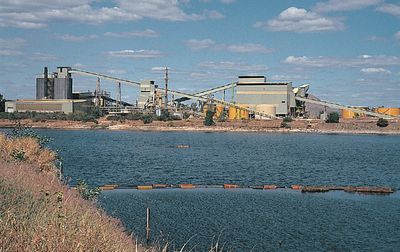
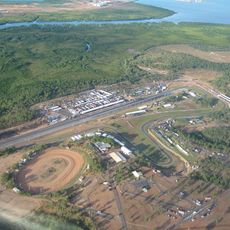
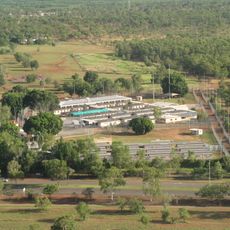
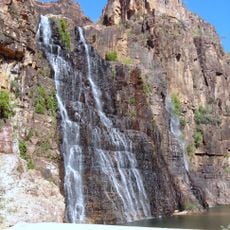
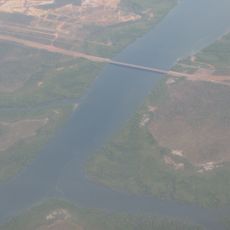
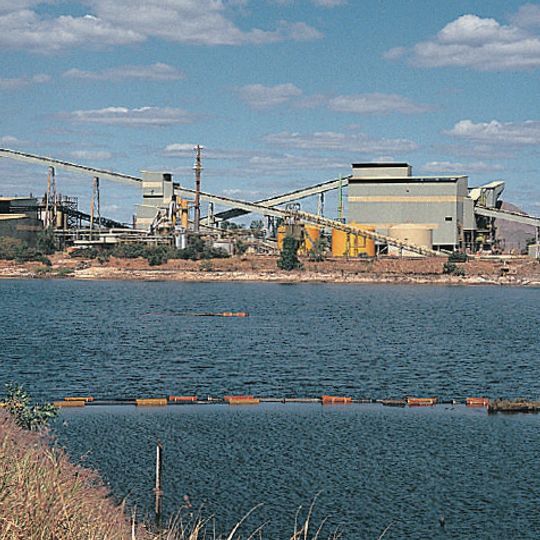
The Ranger Uranium Mine is a uranium extraction site in Northern Australia within the Kakadu National Park area, roughly 230 kilometers east of Darwin. The location features two main open pits called Ranger 1 and Ranger 3, where uranium oxide is produced through crushing rock and applying chemical processes after mining operations.
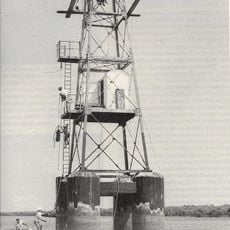
The uranium deposit was discovered in 1969 during an aerial survey when a team detected strong gamma radiation over Mount Brockman. Mining operations began in 1980 after approvals were granted, and by 1981 the mine was producing uranium oxide for nuclear power plants, with the site holding one of the largest uranium reserves in the southern hemisphere.
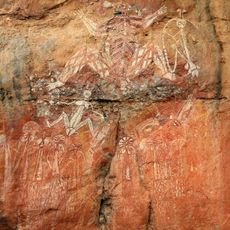
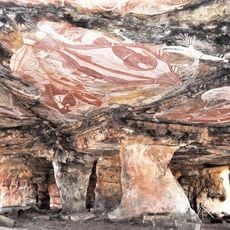
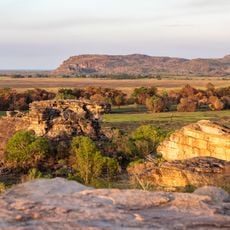
The site sits on traditional land of the Mirarr people, who have voiced concerns about environmental impacts and land rights since mining began. Their perspective continues to shape discussions today about mining responsibility and the future restoration of the land.
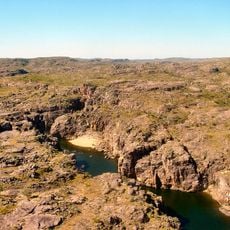
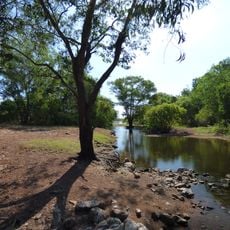
The site is an active working mine with restricted access due to safety considerations, and casual visitor tours are not available. The terrain is mostly flat with a dry climate and hot days, so caution is needed when exploring the surrounding area during extreme weather periods.
The mine has faced several safety incidents including leaks and contamination in nearby wetlands, triggering widespread debates about environmental protection and accountability. In 2021 mining officially ceased and restoration work began to return the site to its natural state.
The community of curious travelers
AroundUs brings together thousands of curated places, local tips, and hidden gems, enriched daily by 92,430 contributors worldwide.