Tocal College, Agricultural college in Paterson Valley, New South Wales, Australia
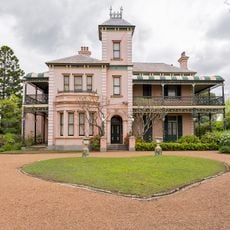
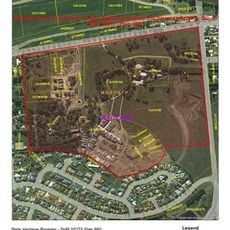
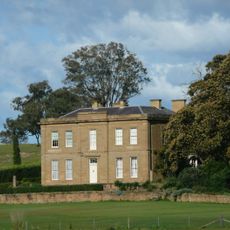
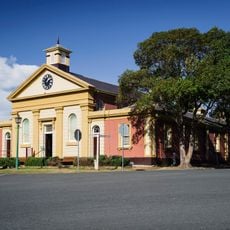
Tocal College is an agricultural college located where the Paterson River meets Webbers Creek, set across spacious grounds with interconnected buildings arranged around a long central courtyard. The layout creates a unified campus designed for teaching and learning.
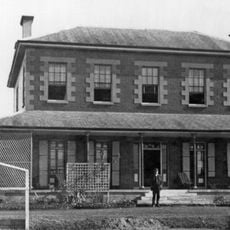
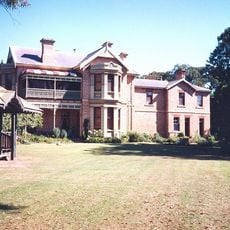
James Webber received a land grant at Tocal in 1822 and grew tobacco there, becoming an early pioneer of viticulture in the colony; by 1828 the property reached 3,300 acres. Charles Reynolds leased it from 1844, and his family bred Hereford, Devon and thoroughbred stock for 82 years. Charles Boyd Alexander, who bought Tocal in 1926, left an estate whose complex will led the Equity Court in 1963 to approve a Presbyterian agricultural college on the grounds.
The name Tocal comes from an Aboriginal word once thought to mean "ducks-a-plenty" but now understood as "big" or "plenty". Grinding grooves worn into rocks within the homestead complex show the site was a camp of the Gringai clan of the Wonnarua people.
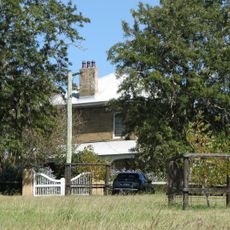
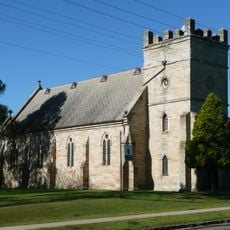
The campus sits at 815 Tocal Road, Tocal, in the City of Maitland, on a knoll above the junction of the Paterson River and Webbers Creek. The college now operates as the Tocal Agricultural Centre within the NSW Department of Primary Industries, so visits depend on its training calendar. The site is listed on the NSW State Heritage Register, and the homestead complex holds Aboriginal grinding grooves worth locating.
The college was built from 1963 to 1965 on the Tocal estate, and its design by Philip Cox and Ian McKay was recognised with the Sulman and Blacket prizes. The site was added to the New South Wales State Heritage Register on 17 April 2013.
The community of curious travelers
AroundUs brings together thousands of curated places, local tips, and hidden gems, enriched daily by 93,472 contributors worldwide.