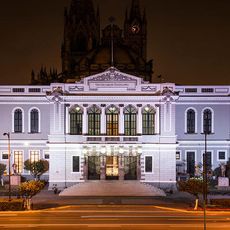
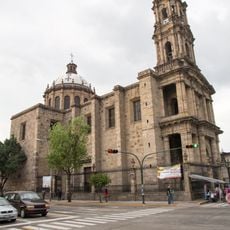
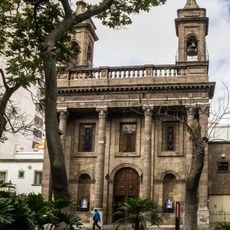
Bosque el Nixticuil, Protected forest area in Zapopan, Mexico.
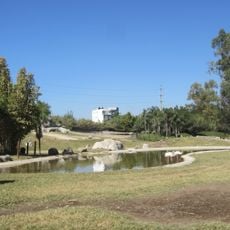
Bosque El Nixticuil is an old-growth urban forest northwest of Guadalajara in Zapopan, Mexico, covering 1,860 hectares, of which 1,591 are protected. It lies within the Trans-Mexican Volcanic Belt, with rhyolitic domes in the north and east and 25,000-year-old tephra deposits in the Tesistán valley. The terrain includes plains, shallow ravines and low hills, and the forest is mostly oak, holm oak and pine.
In 2008, the Jalisco State Legislature officially protected the forest following community activism and environmental concerns about its future. This designation safeguarded much of the woodland and its role in the regional landscape.
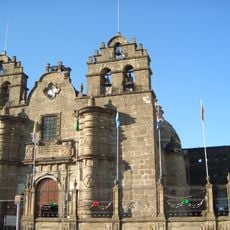
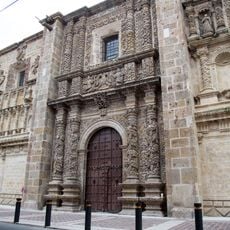
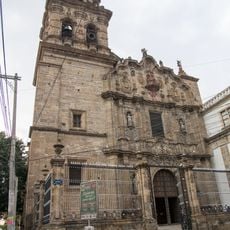
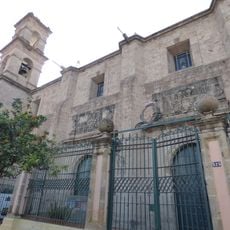
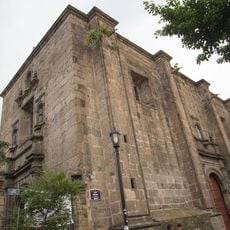
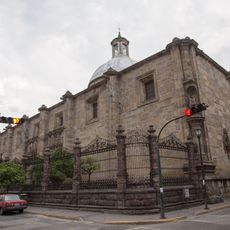
The forest's name comes from the El Nixticuil promontory inside it. Since 2005 the neighbourhood group Comité Salvabosque Tigre II has campaigned here against housing projects, and on 18 May 2005 protesters halted clearing work after more than 300 oaks had been felled. The Templo de San Esteban, built from 1580, stands in the forest zone and keeps paintings in indigenous motifs and colours.
The forest lies northwest of Guadalajara in Zapopan, within the Río Blanco watershed that also takes in the Cerro del Diente and the community of San Esteban. The rainy season runs from June to October, with July the wettest month and March the driest, so plan walks around the rains. Fires and illegal logging are recurring threats, and access has been contested by housing and university projects.
The white-flowering shrub Styrax jaliscana grows in only three known places, and Nixticuil is one of them. The forest also holds the 1580 Templo de San Esteban, whose adobe nave walls carry paintings in indigenous motifs and colours.
The community of curious travelers
AroundUs brings together thousands of curated places, local tips, and hidden gems, enriched daily by 92,664 contributors worldwide.