Acaponeta, human settlement
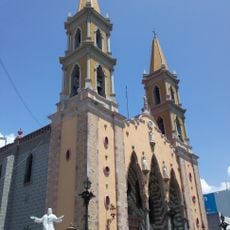
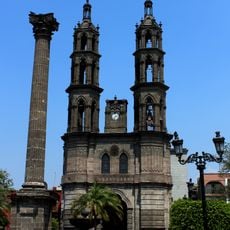
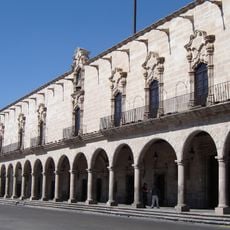
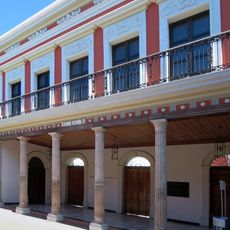
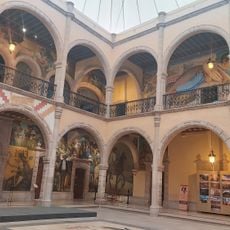
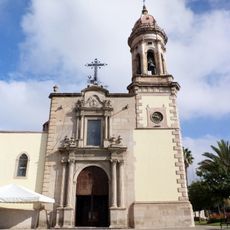
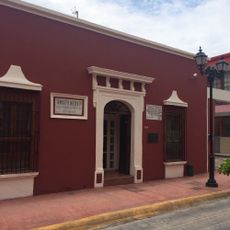
Acaponeta is a small town in Nayarit with narrow streets, simple houses, and old buildings that have stood for many years. The main square is surrounded by colonial architecture, including the local church Nuestra Señora de la Asunción, and small shops where residents gather daily.
Acaponeta was founded in the 1500s when Spanish settlers arrived and built the town around the river. Over time it became a local center for trade and farming, with the old church and colonial buildings that remain serving as reminders of this colonial period.
The name Acaponeta comes from indigenous languages and means 'place near the river where beans grow on vines'. This connection to the land and water remains visible today in how residents live and work, tied to the natural rhythms of farming and the river.
The town is easy to explore on foot with narrow streets connecting the church, markets, and river areas. The weather is warm year-round, so light clothing and sun protection are recommended, especially during hot summer months.
The poet Alí Chumacero was born here in 1918 and wrote verses inspired by this quiet place. The town is sometimes called the 'Athens of Nayarit' for its reputation as a haven for artists and thinkers, offering peace rather than noise.
The community of curious travelers
AroundUs brings together thousands of curated places, local tips, and hidden gems, enriched daily by 92,832 contributors worldwide.