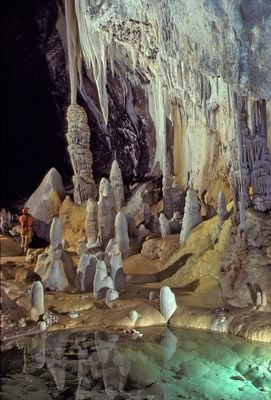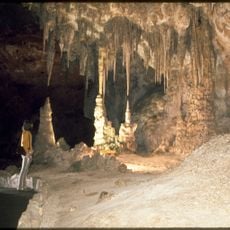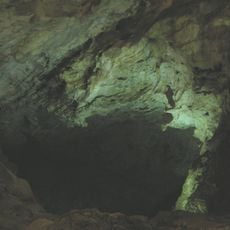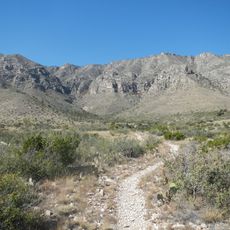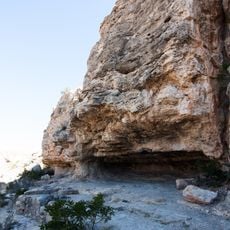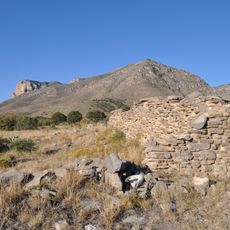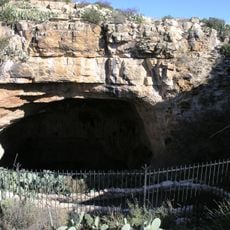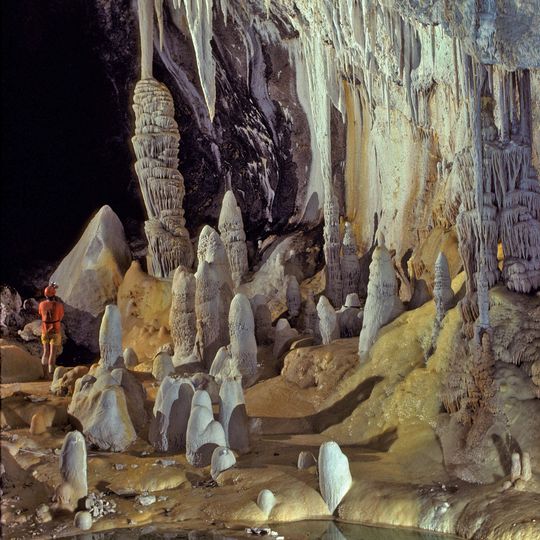
Lechuguilla Cave, Limestone cave in Carlsbad Caverns National Park, New Mexico, US
The cave system extends through 145 miles of mapped passages, reaching depths of 1,604 feet beneath the Guadalupe Mountains surface.
Initially considered insignificant, the cave underwent a transformation in 1986 when Colorado cavers discovered extensive passages beyond its entrance pit.
Scientists and researchers from multiple disciplines study the cave's formations to understand geological processes and microbial life patterns.
Entry permissions are exclusively granted to approved scientific researchers, survey teams, and National Park Service management personnel.
The cave contains distinctive gypsum chandeliers measuring 20 feet, hydromagnesite balloons, and rare rock-eating bacteria within its chambers.
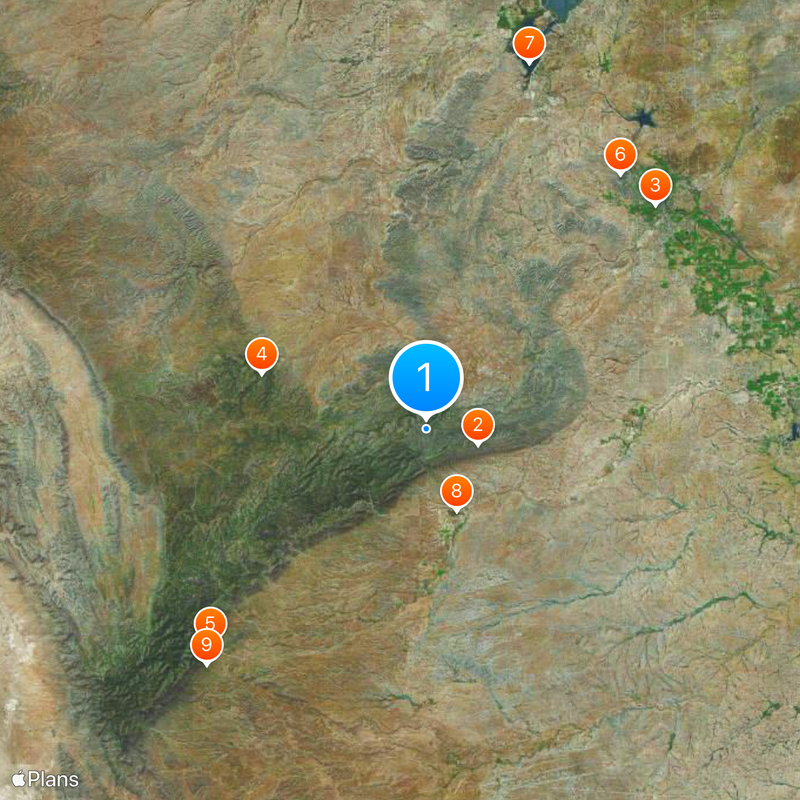
Location: Eddy County
GPS coordinates: 32.19064,-104.50331
Latest update: May 28, 2025 18:30
Caves form through gradual geological processes that can span millions of years. Water dissolves limestone and creates underground chambers filled with stalactites and stalagmites, while ice caves in alpine regions maintain their frozen formations even during summer months. Each cave system tells a distinct story about the forces that shaped it, from chemical erosion to tectonic shifts that exposed new rock layers to underground rivers. This collection includes some of the most geologically significant caves on Earth. Carlsbad Caverns in New Mexico encompasses more than 30 miles (48 kilometers) of passages filled with mineral formations, while Mammoth Cave in Kentucky extends over 400 miles (650 kilometers) through limestone bedrock. Eisriesenwelt in Austria stretches 26 miles (42 kilometers) and contains ice structures that reform each winter. Reed Flute Cave in Guilin showcases limestone formations that began developing 180 million years ago. Waitomo Caves in New Zealand are home to thousands of glowworms that light the darkness with bioluminescence. Puerto Princesa in the Philippines features an underground river that flows 5 miles (8 kilometers) before reaching the sea. Several caves also preserve human history, including Lascaux in France with its 17,000-year-old paintings. These formations demonstrate how water, ice, and time create underground worlds that reveal both geological and cultural history.
Carlsbad Caverns National Park
5.9 km
Waste Isolation Pilot Plant
35.2 km
Sitting Bull Falls
19.1 km
McKittrick Canyon
33.4 km
Living Desert Zoo and Gardens State Park
35.1 km
Brantley Lake State Park
41.7 km
Rattlesnake Springs Historic District
9.6 km
Wallace E. Pratt House
35.4 km
The Caverns Historic District
6 km
Frijole Ranch
42.2 km
Wallace Pratt Lodge
34.9 km
Carlsbad Irrigation District
41 km
Pinery Station
44.4 km
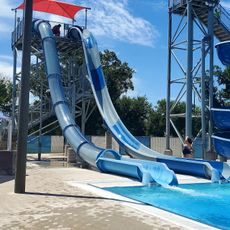
Carlsbad Water Park
37.5 km
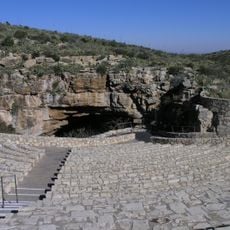
Bat Flight Amphitheater
6 km
Carlsbad Cavern
6.1 km
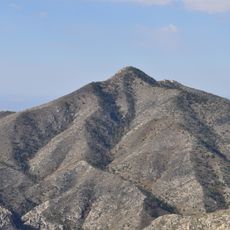
Guadalupe Mountains Wilderness
42 km
Smith Spring Trail
41.5 km
Indian Rock Shelter
7.7 km
Butterfield Overland Mail Corridor
44.3 km
Rattlesnake Springs Pump House
9.5 km
Pine Springs Visitor Center
44.6 km
Pine Springs Trailhead
44.8 km
Eddy County Courthouse
36.4 km
Devils Hall
45.3 km
Frijole Ranch Picnic Area
42.4 km
Natural Entrance
6.1 km
Cottonwood Day Use Area
11.1 kmReviews
Visited this place? Tap the stars to rate it and share your experience / photos with the community! Try now! You can cancel it anytime.
Discover hidden gems everywhere you go!
From secret cafés to breathtaking viewpoints, skip the crowded tourist spots and find places that match your style. Our app makes it easy with voice search, smart filtering, route optimization, and insider tips from travelers worldwide. Download now for the complete mobile experience.
A unique approach to discovering new places❞
— Le Figaro
All the places worth exploring❞
— France Info
A tailor-made excursion in just a few clicks❞
— 20 Minutes