The Caverns Historic District, Historic district in Eddy County, New Mexico.
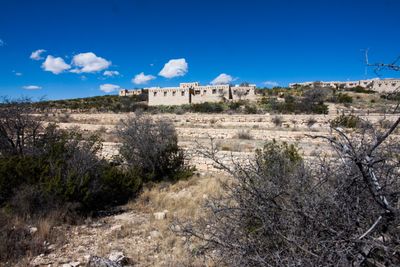
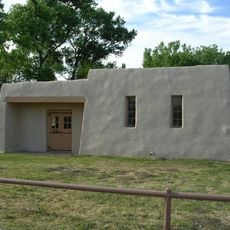
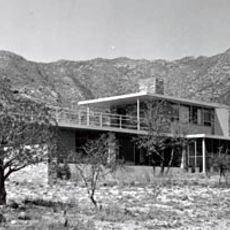
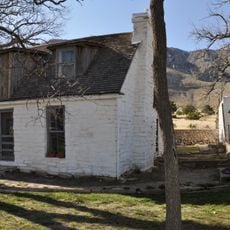
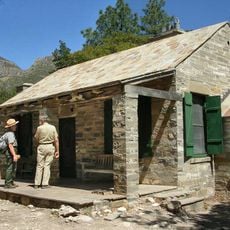
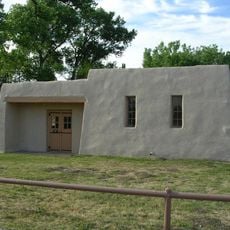
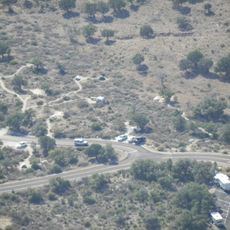
The Caverns Historic District is a group of thirteen buildings within Carlsbad Caverns National Park, constructed from local limestone and adobe materials. The structures are spread across the grounds and serve different purposes: administration, lodging, and visitor services.
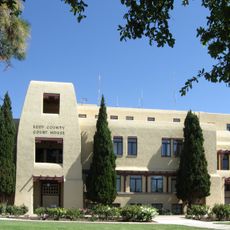
Planning began in the early 1920s when Daniel Ray Hull of the National Park Service landscape division set the Pueblo Revival style at the cave entrance. Thomas Chalmers Vint continued the work, and after breaking his leg during a cave survey he was rescued with help from cowboy Jim White, which underscored the need for proper visitor facilities. Construction ran to 1942, with Civilian Conservation Corps labor from the Rattlesnake Springs camp building adobe structures in Territorial Revival style.
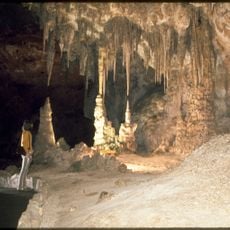
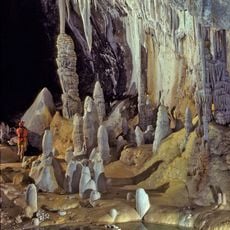
The district's name comes from the caverns it serves, and its look was set by NPS landscape architects Daniel Ray Hull and Thomas Chalmers Vint. Vint broke his leg during a cave survey, and cowboy Jim White fetched help; the accident led to planned visitor accommodations. A similar rustic structure was built in Carlsbad as the superintendent's residence.
Visitors enter the district through the park's visitor center or entrance station and follow marked pathways through the grounds. The area is accessible year-round, though weather conditions can occasionally affect travel.
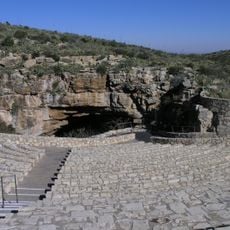
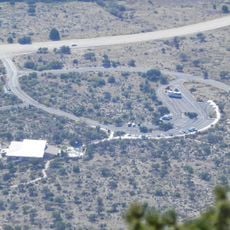
The Bat Flight Amphitheater, built 1963–1966 of limestone, seats 22 tiered rows about 100 feet wide and drops roughly 75 feet. It is a contributing property to the district, listed on the National Register since 18 August 1988. The upper part is reached by the Carlsbad Caverns Trail, a National Recreation Trail since 1983.
The community of curious travelers
AroundUs brings together thousands of curated places, local tips, and hidden gems, enriched daily by 93,035 contributors worldwide.