Huila Department, Department in southwestern Colombia
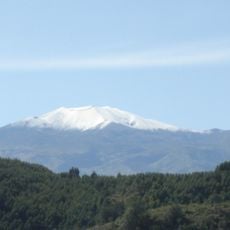
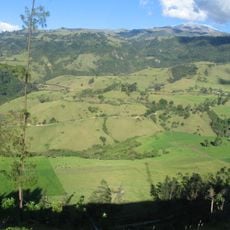
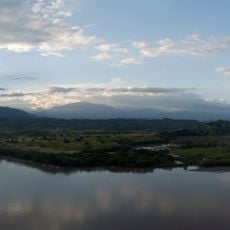
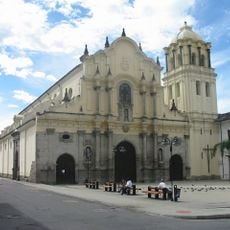
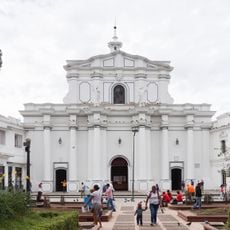
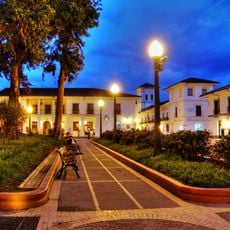
Huila is an administrative region in southwestern Colombia that stretches between mountain ranges and fertile valleys, with the Magdalena River running through its center. The capital city Neiva lies at the heart, connecting smaller towns and rural communities shaped by coffee farming and agriculture.
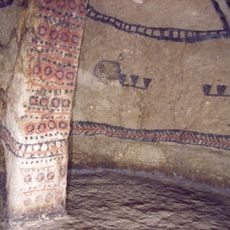
The area became an official department in 1905, after being part of larger administrative units during colonial times and the early republic. Before Spanish arrival, indigenous groups lived here and left behind stone monuments and ceremonial sites that remain today.
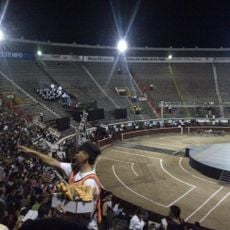
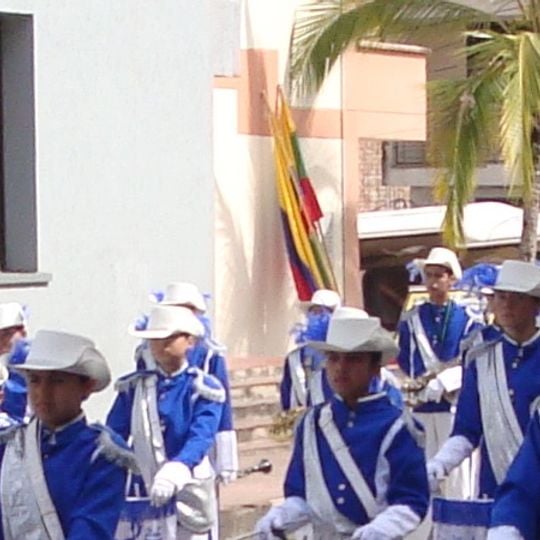
The Festival de San Pedro brings together musicians, dancers, and artisans from across the region every June, showcasing their traditions through public performances and street celebrations. Visitors experience local rhythms like bambuco and sanjuanero alongside dishes based on corn, yucca, and regional ingredients.
Travelers planning to explore the region should use Neiva as a starting point, where roads lead into the mountains and toward archaeological sites. The terrain ranges from hot river valleys to cooler highlands, so pack clothing for different climates.
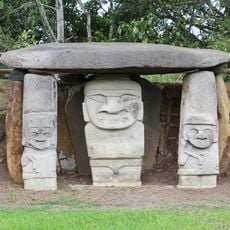
The San Agustin Archaeological Park in the southern part holds more than 500 stone sculptures created by civilizations about which little is known today. These figures depict deities, animals, and human forms and are scattered across a wide area that visitors can explore on foot.
The community of curious travelers
AroundUs brings together thousands of curated places, local tips, and hidden gems, enriched daily by 60,000 contributors worldwide.