Puracé, Stratovolcano in Cauca Department, Colombia
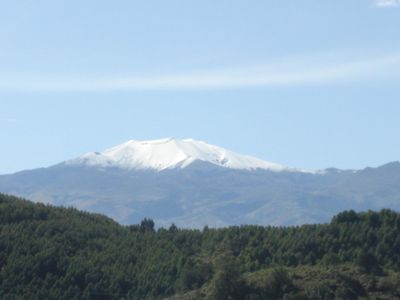
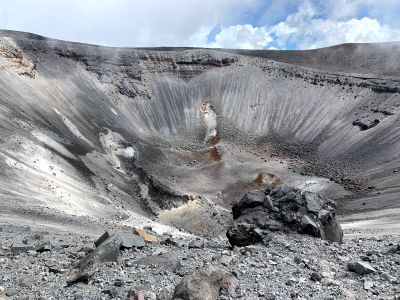
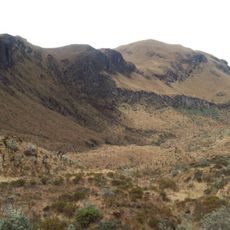
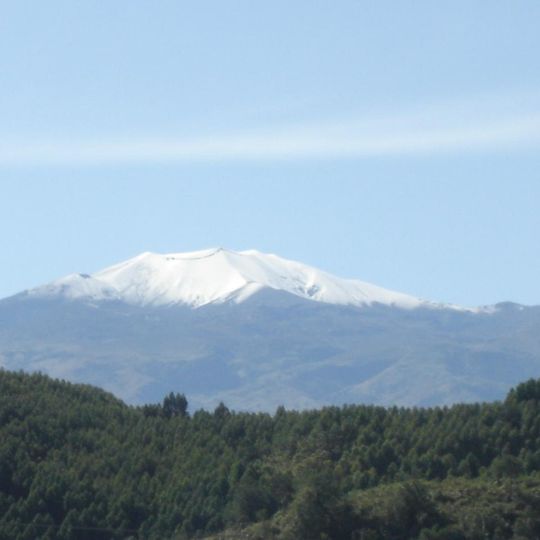
Puracé is an andesite stratovolcano in Cauca Department that rises to 4646 meters above sea level. The summit area shows several craters and vents that continue to steam and cover the upper part of the mountain with yellowish deposits.
Large explosive eruptions occurred in 1849, 1869, 1885, 1949, 1950, 1956 and 1957. About a dozen eruptions followed in the 20th century, the most recent in 1977, and on 19 January 2025 Puracé erupted again, depositing ash 7 kilometres away.
The ascent passes the Valle de las Estatuarias, where volcanic rock eroded by wind, sun and rain forms figures up to 2 metres tall that resemble animals. Local guides from the Puracé Indigenous Resguardo accompany visitors, with a maximum of five people per guide.
Accessing the summit requires a permit from the national park and accompaniment by a certified mountain guide. The hike usually begins in the early morning hours to take advantage of the clearest visibility and return before afternoon fog.
Puracé sits where the Coconucos and Morras faults intersect, a crossing that feeds its fumaroles and hot springs. Around the volcano and the Coconucos chain, 15 thermal springs and one warm lagoon have been catalogued. Pozo Azul is the hottest at 90 °C, La Mina the most acidic at pH 2.0, and San Juan the most voluminous, discharging about 403 litres per second.
The community of curious travelers
AroundUs brings together thousands of curated places, local tips, and hidden gems, enriched daily by 92,706 contributors worldwide.