Tapo-Caparo National Park, Protected natural area in western Venezuela.
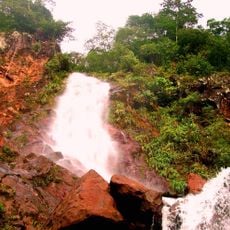
Tapo-Caparo National Park covers 2,050 square kilometres across the western states of Barinas, Mérida and Táchira. Its forests hold ferns, mosses, lichens and fungi, and its rivers and gorges cut through the terrain. Jaguars, toucans and boas live in the park, which was created to protect the land around the Uribante-Caparo hydroelectric project.
Tapo-Caparo National Park was decreed on 14 January 1992 by the government of President Carlos Andrés Pérez. It was created to protect the natural environment around the Uribante-Caparo hydroelectric complex, a dam project in the western Andes. The park covers 2,050 square kilometres across the states of Barinas, Mérida and Táchira.
The park's name joins Tapo and Caparo, the rivers of the Uribante-Caparo hydroelectric project whose surroundings it was created to protect in 1992. Jaguars, toucans and boas live among its ferns, mosses, lichens and fungi, and the rivers and gorges crossing the three states give visitors the features to look for.
The park can be reached via two main routes that pass through the area, offering different entry points for visitors. Be prepared for changing weather and bring appropriate gear for exploring mountain forest terrain.
The park was decreed on 14 January 1992 under President Carlos Andrés Pérez, and its stated purpose was to protect the natural surroundings of the Uribante-Caparo hydroelectric complex. The reserve spans 2,050 square kilometres across Barinas, Mérida and Táchira. Jaguars, toucans and boas are among the animals recorded there.
The community of curious travelers
AroundUs brings together thousands of curated places, local tips, and hidden gems, enriched daily by 93,862 contributors worldwide.