Boconó, Colonial mountain city in Trujillo, Venezuela.
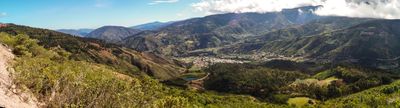
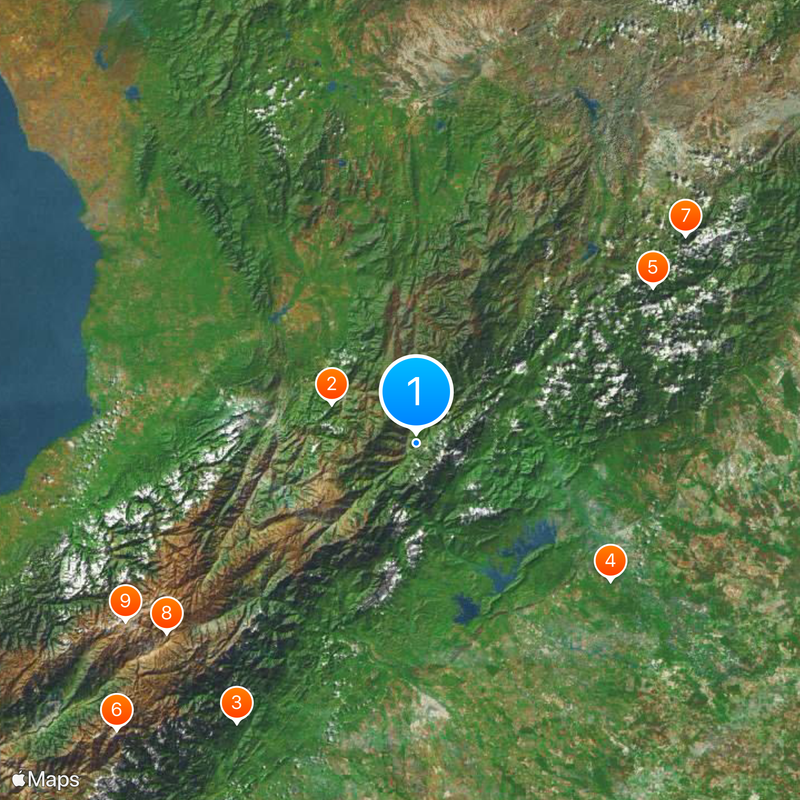
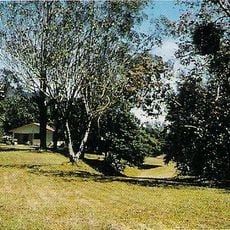
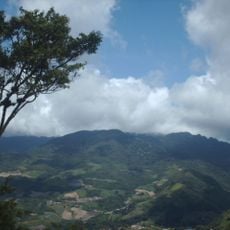
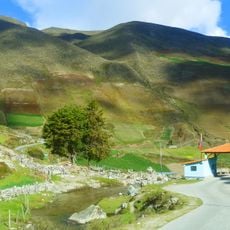
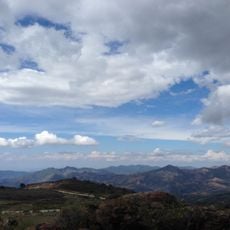
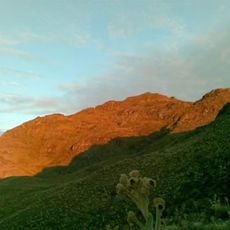
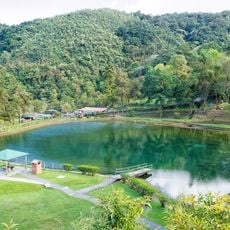
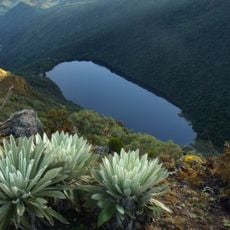
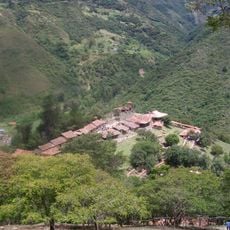
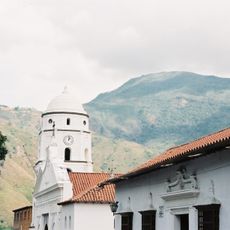
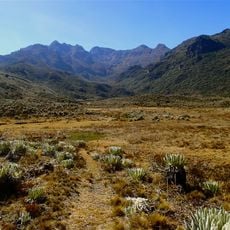
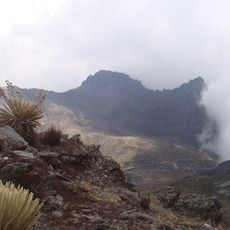
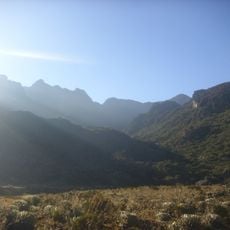
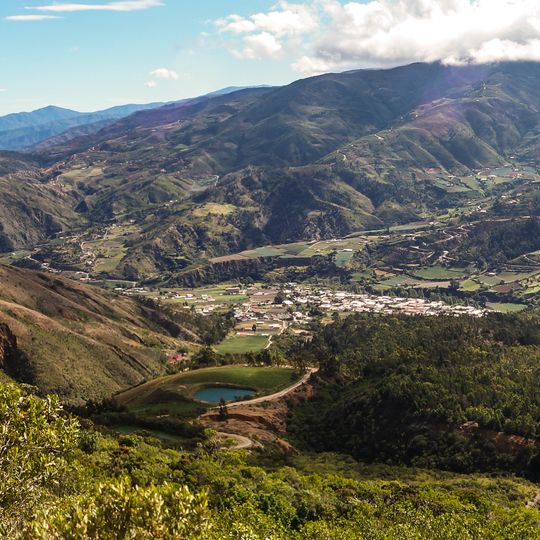
Boconó sits in a fertile valley within the Venezuelan Andes at roughly 1,300 meters (4,300 feet) elevation, surrounded by mountains and farmland. The town spreads across the hillsides and is shaped by green landscapes that support agriculture throughout the year.
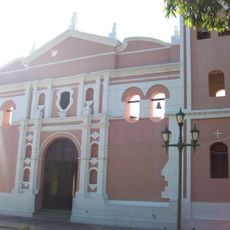
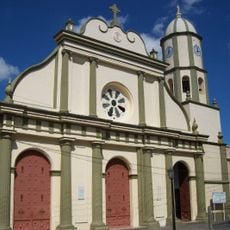
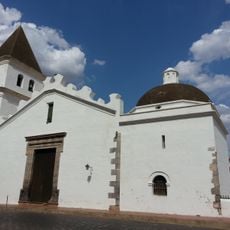
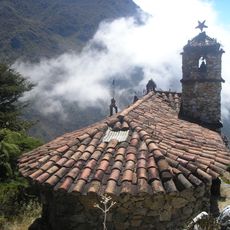
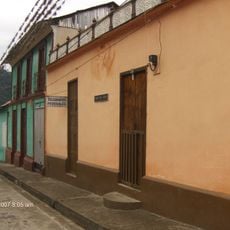
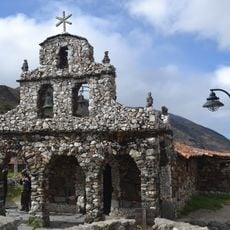
Spanish colonizers founded the city in 1560 in the Cuicas Province, drawn by reports of gold deposits in the region. From this colonial beginning, the settlement grew into an important center for trade and agriculture in the mountain valleys.
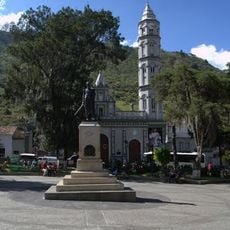
The town maintains strong local traditions with frequent celebrations featuring regional music and dances that reflect Andean heritage.
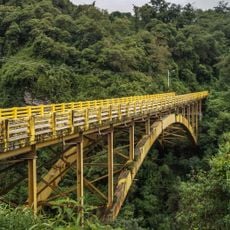
The town connects to other Venezuelan cities through a municipal airport and mountain roads, making it accessible year-round. The mild highland climate keeps outdoor activities comfortable regardless of the season, and visitors will find mountain trails and rural routes throughout the surrounding valleys.
The Boconó Fault, a major geological formation within the Andes, runs through the region and shapes its distinctive terrain. This tectonic feature is significant to geologists and contributes to the area's unique landscape character.
The community of curious travelers
AroundUs brings together thousands of curated places, local tips, and hidden gems, enriched daily by 60,000 contributors worldwide.