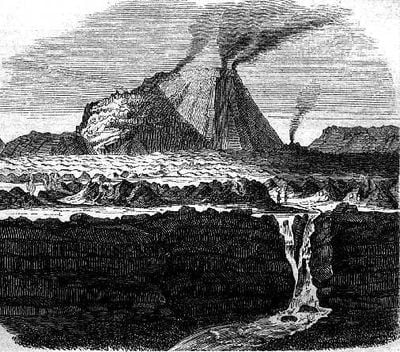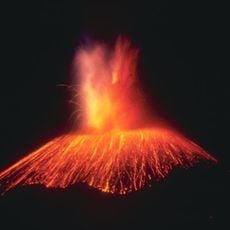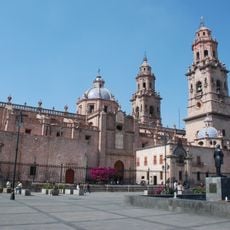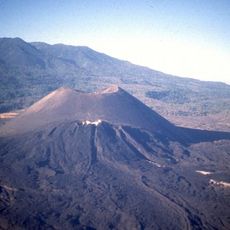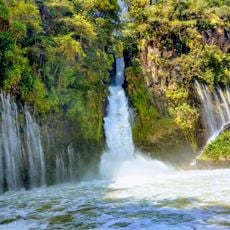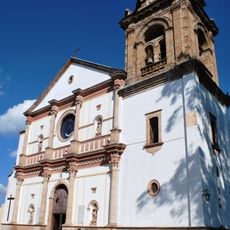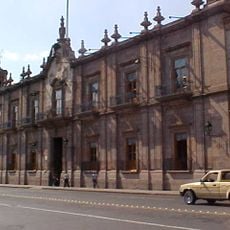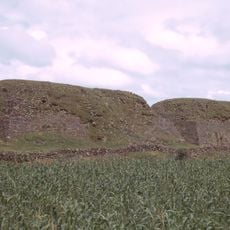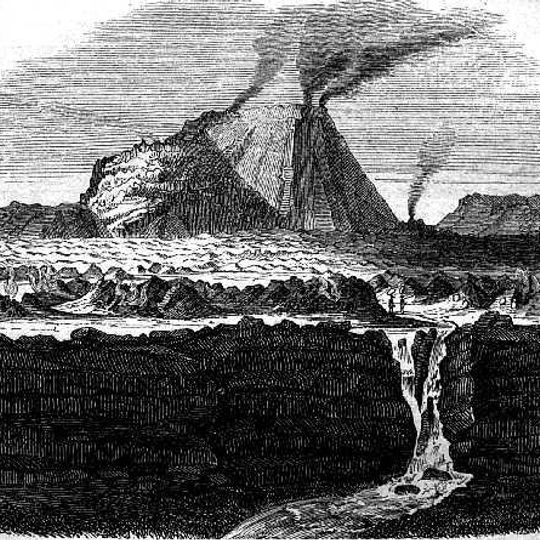
El Jorullo, Cinder cone volcano in La Huacana, Mexico.
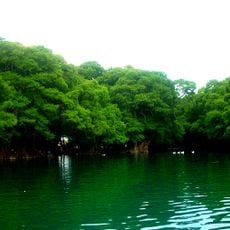
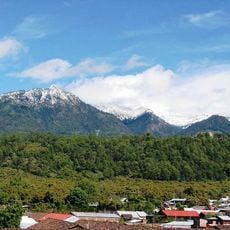
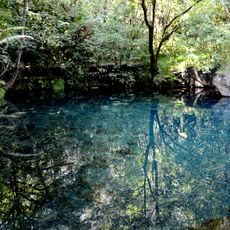
El Jorullo is a cinder cone volcano in the municipality of La Huacana, in southern Michoacán, with a central peak and several smaller cones along its slopes. Inside the main crater sits a warm alkaline lake fed by geothermal activity beneath the surface.
The volcano appeared suddenly in 1759 following a series of earthquakes and stayed active for around 15 years. The eruption destroyed farmland across the surrounding area and permanently changed the local landscape.
The name El Jorullo comes from the Purépecha language spoken by the indigenous people of Michoacán and roughly means "place that burns." Visitors can still observe active sulfur springs and warm thermal pools that give the site a raw, geological feel.
The site lies southeast of Uruapan and is reachable by car, with a walk across volcanic ground leading to the crater and lake. Sturdy footwear is strongly recommended because the terrain is uneven and the elevation can make the walk tiring.
In its first six weeks, the volcano grew around 820 feet (250 meters) tall, making it one of the fastest known volcanic formations on record. Alexander von Humboldt visited in 1803 and described the site as a place where he could witness a landscape still being formed.
The community of curious travelers
AroundUs brings together thousands of curated places, local tips, and hidden gems, enriched daily by 92,759 contributors worldwide.