Pátzcuaro, Colonial town in Michoacán, Mexico
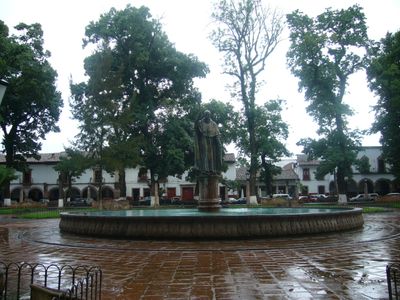
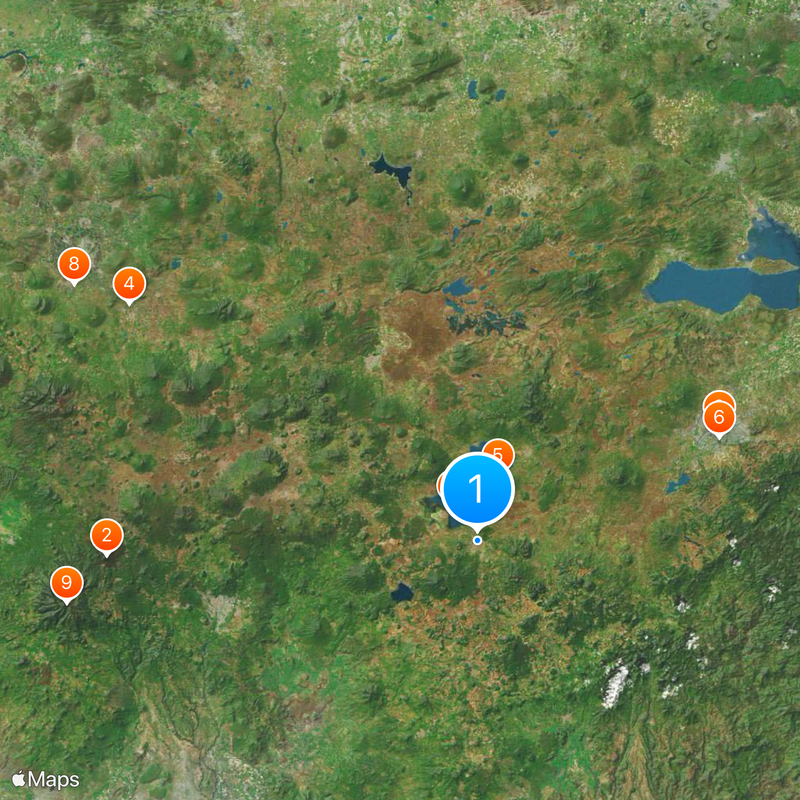
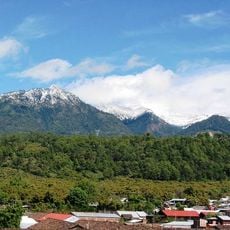
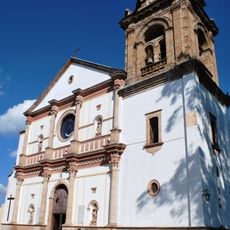
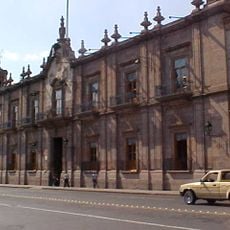
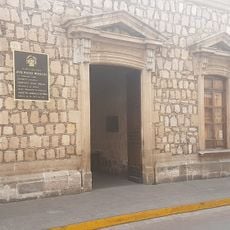
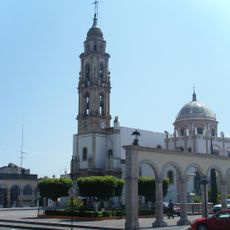
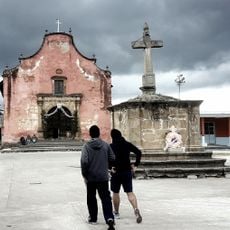
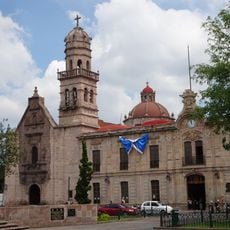
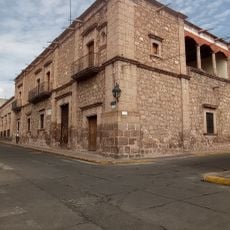
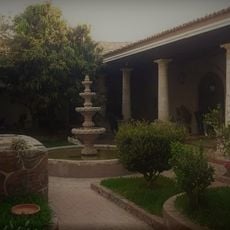
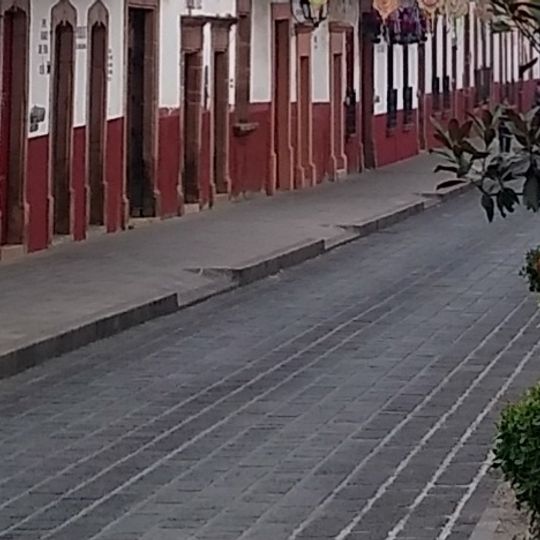
Pátzcuaro is a colonial town in the state of Michoacán, Mexico, located on the southwestern shore of Lake Pátzcuaro at an elevation of 2140 meters (7020 feet). The town preserves its historical architecture with whitewashed houses, red tile roofs, and cobblestone streets that wind around several central plazas surrounded by forested mountains.
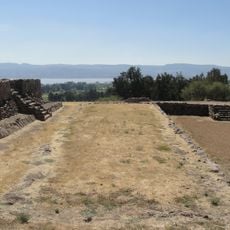
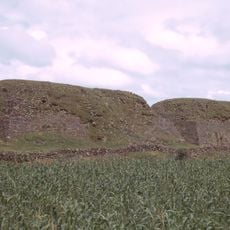
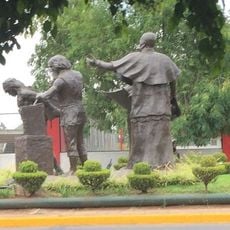
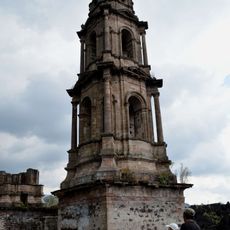
Founded in the 1320s as the capital of the Purépecha Empire, the town served as a political and religious center during its pre-Columbian period. Following the Spanish conquest, it became an important hub of colonial administration and mission work under Bishop Vasco de Quiroga starting in 1540.
Plaza Vasco de Quiroga becomes a gathering point on market days, where artisans from surrounding villages bring their work in copper, wood, and clay. Visitors can watch the traditional techniques passed down through generations and still used in everyday life across the region.
Regular bus services run from Morelia, and the town has several small clinics for basic medical needs. The streets are steep and cobbled, so comfortable shoes with good grip are advisable, especially during rain.
On the lake, fishermen still use butterfly-shaped nets called mariposas, a technique that dates back to pre-Hispanic times. These nets are cast in the shallow waters and create a recognizable image that has become a symbol of the region.
The community of curious travelers
AroundUs brings together thousands of curated places, local tips, and hidden gems, enriched daily by 90,869 contributors worldwide.