Archaeological site of Mixcoac, Archaeological site in San Pedro de los Pinos, Mexico City, Mexico.
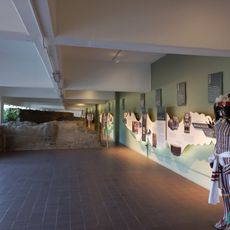
The Archaeological site of Mixcoac is an ancient complex in Mexico City with a central platform, ceremonial plaza, and pyramid dedicated to the deity Mixcóatl. The ruins sit near the Anillo Periférico, the city's main ring road, within an urban neighborhood.
Occupation of the site is estimated from 900 BC to 1521 AD. Mixcoac belonged to the altépetl of Coyohuacan while the lake area was Tepanec territory of Azcapotzalco, long before the Mexica arrived in the Anáhuac. The Mexica occupied and built the site shortly before 1521, as the style of its pottery and architecture shows. The Spanish conquest destroyed the settlement down to its foundations.
Mixcoac comes from Nahuatl and is usually translated as "viper in the cloud", an image that may stand for the celestial serpent or the Milky Way. The site belonged to the altépetl of Coyohuacan while the lakeshore was Tepanec territory of Azcapotzalco. Sources say musicians and dancers from the Valley of Mexico gathered here for a popular festival attended by people from Tenochtitlan and Tlatelolco, and that hunting parties stopped at the shrine of Mixcoatl before setting out toward the hill of Zacatepec.
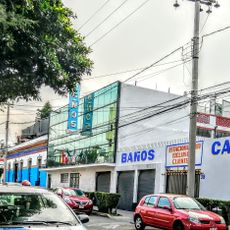
The site stands at the corner of Avenida San Antonio and the Anillo Periférico in San Pedro de los Pinos, Benito Juárez. It was closed to the public for years; the INAH announced in August 2019 that it could be visited, with free admission. Only foundations remain, so plan a short stop rather than a long visit.
The site belonged to the altépetl of Coyohuacan while the lake area was Tepanec territory of Azcapotzalco, long before the Mexica arrived in the Anáhuac. Hunters heading from Mixcoac toward the hill of Zacatepec had to pass through the shrine of Mixcoatl before the hunt began.
The community of curious travelers
AroundUs brings together thousands of curated places, local tips, and hidden gems, enriched daily by 93,871 contributors worldwide.