Colonia Guerrero, human settlement in Mexico
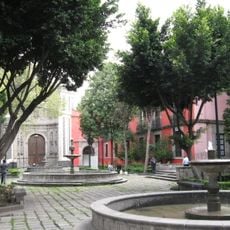
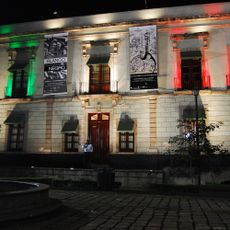
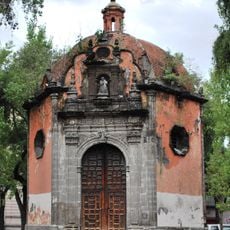
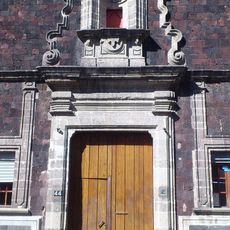
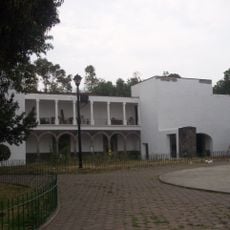
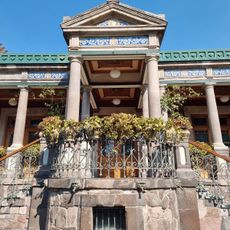
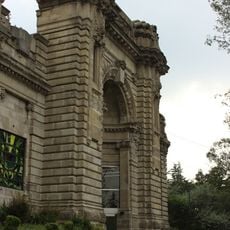
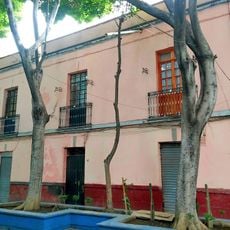
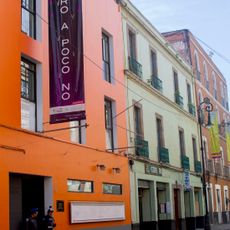
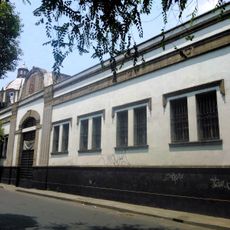
Colonia Guerrero is a neighborhood in Cuauhtémoc, Mexico City, displaying a mix of historical and modern structures. The area is defined by 19th-century buildings, including many Art Nouveau-style homes, alongside smaller residential buildings and local shops lining tree-lined streets.
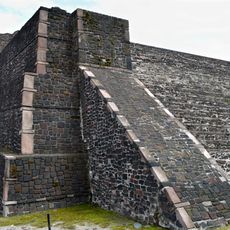
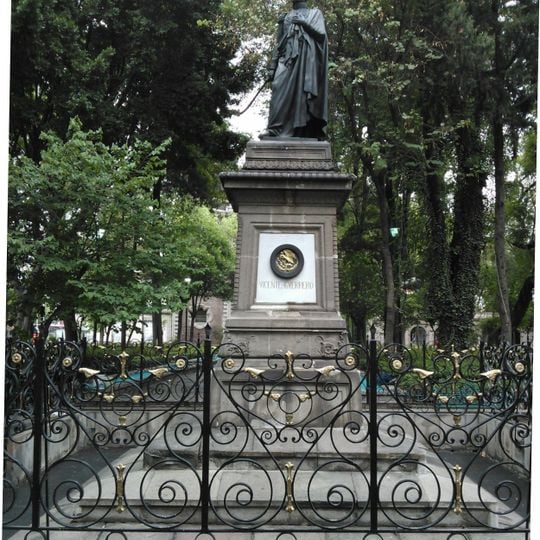
The area was originally Cuepopan, a precinct of pre-Columbian Tenochtitlan, later Christianized by Spanish conquistadors. Modern urban planning began in 1870, and the first house was built in 1874, officially naming the neighborhood after independence hero Vicente Guerrero.
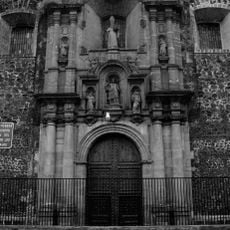
Violeta Street stands out painted in its signature violet color, embodying the neighborhood's spirit of resilience and pride. The streets still show a blend of traditional craftsmanship and daily life, with religious figures adorning building facades as reminders of the past.
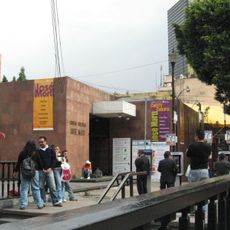
Visitors explore the area best on foot, discovering various architecture styles and local shops. Nearby metro access and Buenavista train station provide good connections, and daytime and evening meals are available at numerous small restaurants and food stalls throughout the neighborhood.
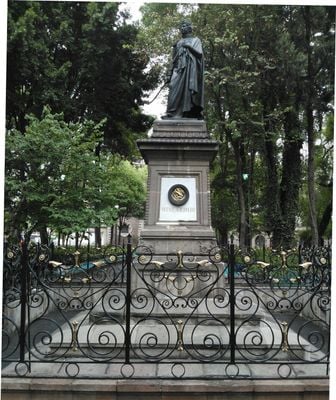
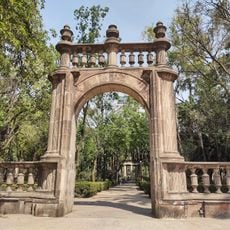
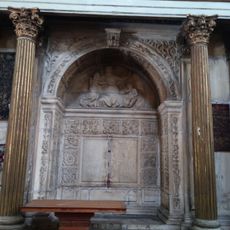
Panteón de San Fernando, one of the city's smallest and most expensive cemeteries, holds famous Mexican figures like Benito Juárez and Ignacio Zaragoza. Declared a historic monument in 1935 and no longer accepting burials, it stands as a silent witness to national history.
The community of curious travelers
AroundUs brings together thousands of curated places, local tips, and hidden gems, enriched daily by 92,821 contributors worldwide.