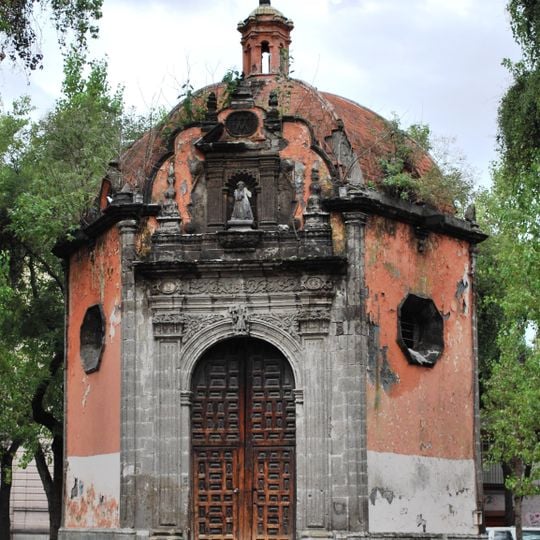
Capilla de la Concepción Cuepopan, Baroque chapel in Centro Histórico, Mexico City.
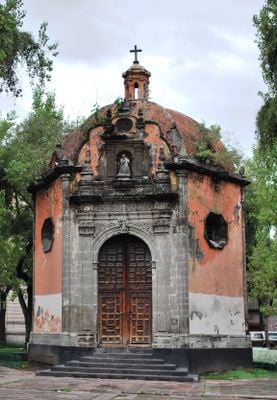
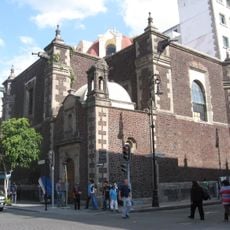
The Capilla de la Concepción Cuepopan is a small isolated chapel with a hexagonal floor plan, a dome of exposed red brick and a lantern. Its two-tier facade has a rounded arch with vegetal reliefs, flanked by fluted pilasters, and a niche holding a sculpture of Jesus carrying the cross, topped by a broken pediment and a relief of the Marian monogram.
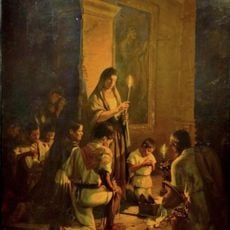
The chapel originated in the mid-1700s as a shrine to Lucy of Syracuse before later becoming a burial ground for people without means. It gained official monument status in 1931, marking an important shift in how the city valued its heritage.
Locals call it La Conchita or the Chapel of the Dead, a name tied to its 19th-century use as a depository for those who could not afford a burial. The keystone relief over the entrance shows Francis of Assisi, while the upper niche holds a sculpture of Jesus carrying the cross.
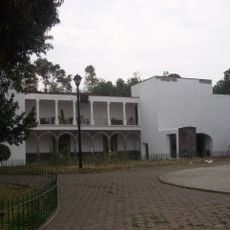
The chapel stands isolated in the middle of Plaza de la Concepción, in the northwest of Mexico City's Historic Center. It is a dependency of the neighboring Concepción convent, so access is not through the convent but from the square itself. The building was consolidated in 1927 to house a SEP library, so interior visits depend on that use.
It is the only surviving example in Mexico City's Historic Center of a small isolated chapel with a central plan, which may be square, circular, elliptical, hexagonal or octagonal. Another such chapel, the Capilla de los Talabarteros, once stood northwest of the cathedral at the start of Santo Domingo street, today República de Brasil, but it has disappeared.
The community of curious travelers
AroundUs brings together thousands of curated places, local tips, and hidden gems, enriched daily by 93,849 contributors worldwide.