Tecoaque, Archaeological site near Calpulalpan, Mexico
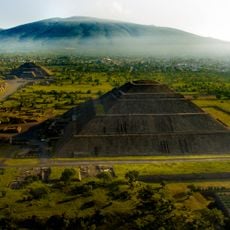
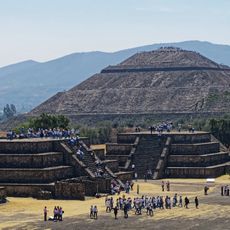
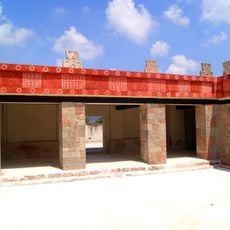
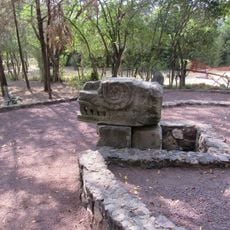
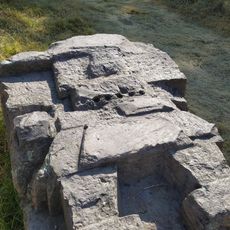
This is an archaeological site near Calpulalpan containing the remains of a settlement with several residential structures arranged around a rectangular plaza. A circular temple dedicated to the wind deity sits at the heart of this layout.
In 1520 Acolhua warriors captured a caravan sent ahead by Hernán Cortés, made up of Spanish women and children, enslaved Africans and servants. Over six months several hundred captives were sacrificed; bones of about 550 victims were found boiled and scraped. The attack answered the killing of Cacamatzin, king of Texcoco. In 2021 INAH reported more than 20 Aztec women and children massacred when Cortés's army destroyed the town.
The name is a colonial transcription of the Nahuatl Tēcuahqueh, meaning "they ate people" or "people eaters", from tē- (people), cuah (ate) and -queh (plural). It replaced the earlier name Zōltepēc, "at quail mountain". Cortés is said to have given the name after learning of the 1520 sacrifice of his caravan.
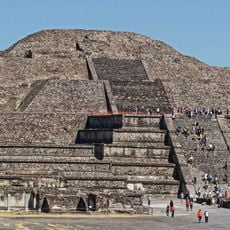
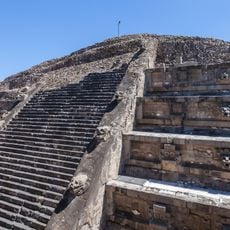
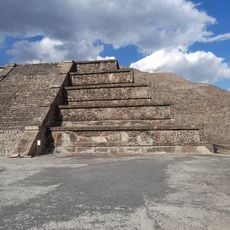
The site opened to the public on 28 November 2012 and lies 71 km from Tlaxcala city, 92 km from Puebla and 65 km from Mexico City, in Calpulalpan municipality. The excavated area is largely open ground, so bring sun protection and sturdy shoes. The circular temple of Ehecatl, restored in 1992, has an east-facing stairway.
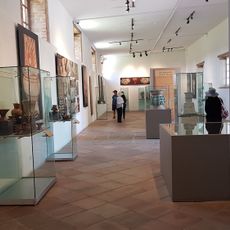
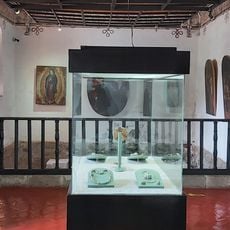
The bones found at Tecoaque were boiled and scraped clean, and some skeletons lacked certain bones: these were given to Acolhua warriors as trophy bones. The site also yielded remains of Spanish men, women and children, as well as Black and mulatto people from the captured caravan.
The community of curious travelers
AroundUs brings together thousands of curated places, local tips, and hidden gems, enriched daily by 94,143 contributors worldwide.