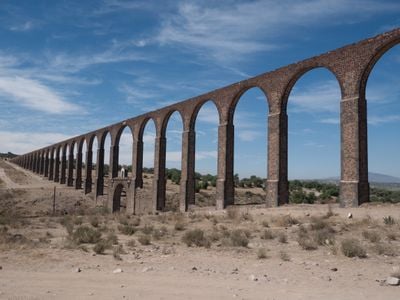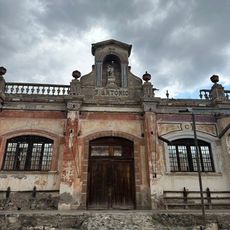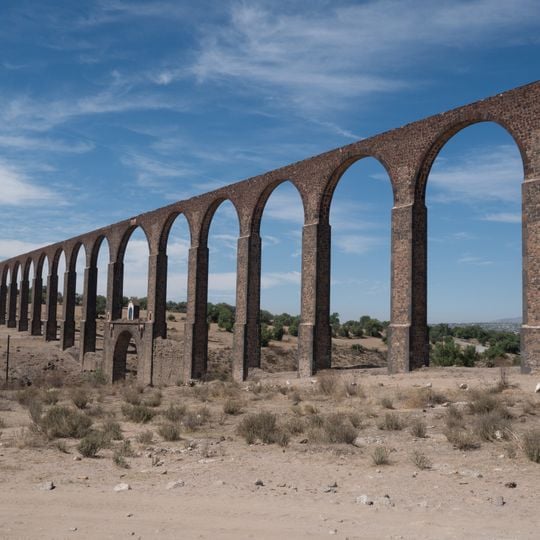
Aqueduct of Padre Tembleque, 16th century aqueduct in Zempoala and Otumba, Mexico.
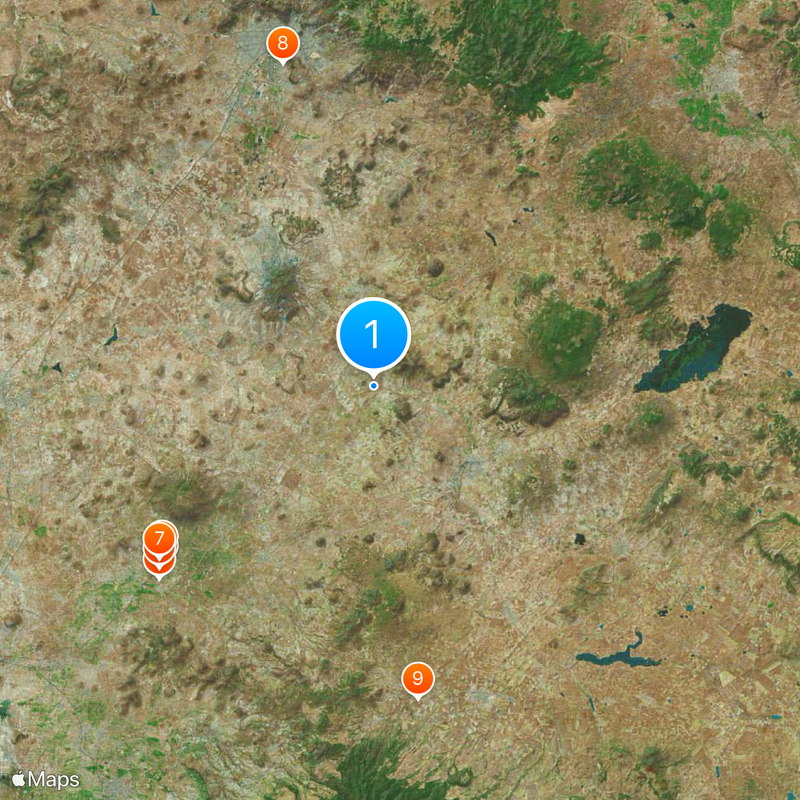
The Aqueduct of Padre Tembleque is a water transport system stretching roughly 45 kilometers between Zempoala and Otumba with three main arcade sections containing 126 arches total. It combines underground passages, surface-level canals, and elevated arches to carry water across multiple valleys from volcanic sources.
Franciscan friar Francisco de Tembleque began construction of this water system between 1553 and 1570 to supply fresh water to local communities in the region. The project was a major colonial undertaking that demonstrated how European engineering knowledge was applied in the New World.
The aqueduct shows how European building methods and local craftsmanship came together in one project. Walking along it today, you can see this blend of knowledge in the way every arch was constructed.
The main viewing area near Santiago Tepeyahualco is accessible by car, and the tallest arch section rises about 39 meters high. Wear sturdy shoes if you plan to explore on foot, as the ground around the structure can be uneven.
The water system draws from natural springs at Tecajete volcano and operates without pumps by relying on gravity and slope, a clever solution for moving water across uneven terrain. This approach ensured reliable water supply to settlements without requiring mechanical power.
The community of curious travelers
AroundUs brings together thousands of curated places, local tips, and hidden gems, enriched daily by 91,981 contributors worldwide.