Hacienda de Santa María Regla, Colonial mining hacienda in Huasca de Ocampo, Mexico
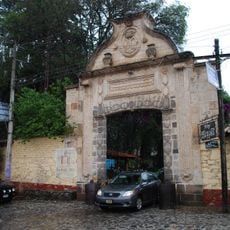
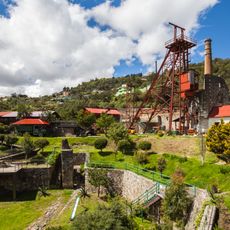
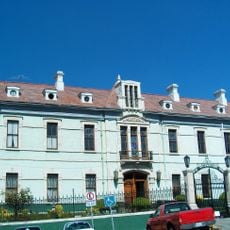
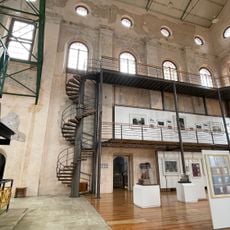
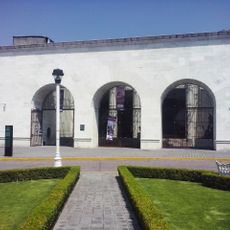
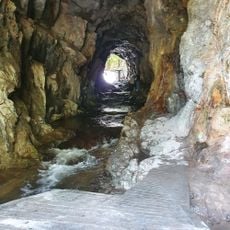
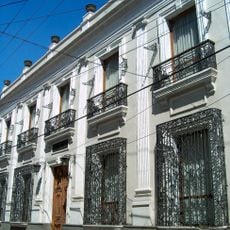
The Hacienda de Santa María Regla is a colonial estate built across mountainous terrain in Hidalgo, organized around stone walls, gardens, and arched structures. The complex includes old furnaces and staircases that reveal the industrial operations that once took place here.
In the 18th century, the bonanza of the Veta Vizcaína led Pedro Romero de Terreros, owner of that vein, to build a silver-benefiting hacienda. Because Real del Monte's mountainous terrain lacked the flat land needed for the patio process invented by Bartolomé de Medina, he chose Huasca. Between 1760 and 1762 he built the haciendas of Santa María, San Francisco Javier, San Miguel and San Antonio, all de Regla, employing hundreds of workers.
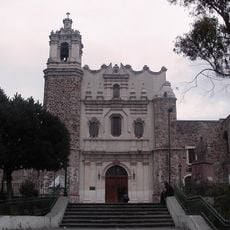
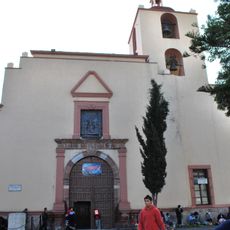
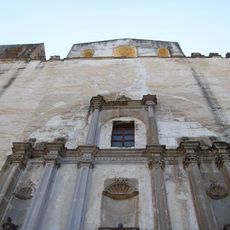
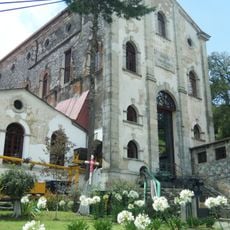
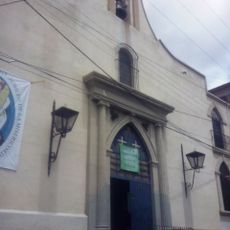
The estate's church is the Parroquia de Nuestra Señora de Loreto, not a chapel of Santa María de Regla. Its single rectangular nave is divided by pilasters into four sections, the first two under lunette vaults and the third under a hemispherical dome with a lantern. The facade's tympanum holds a shell-shaped niche with an image of Our Lady of Loreto.
Today the hacienda operates as a hotel offering rooms, an outdoor pool, and a restaurant serving local food. Visitors should note that access involves mountain roads, and arriving during daylight hours allows for better exploration of the grounds.
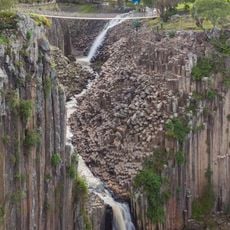
The hacienda appears in the 1998 film The Mask of Zorro: part of the sword duel in which Alejandro (Antonio Banderas) marks a "Z" on Elena's corset (Catherine Zeta-Jones) was shot here. In 1832 the painters Johann Moritz Rugendas and François Mathurin Adalbetr depicted the hacienda and the nearby basalt prisms.
The community of curious travelers
AroundUs brings together thousands of curated places, local tips, and hidden gems, enriched daily by 94,632 contributors worldwide.