Cerro Pizarro, Rhyolitic volcano in Oriental Basin, Puebla, Mexico.
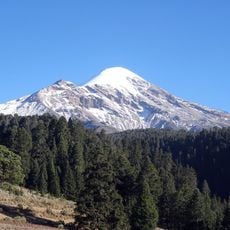
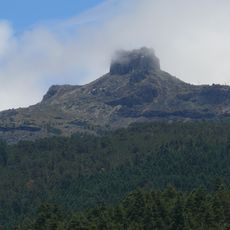
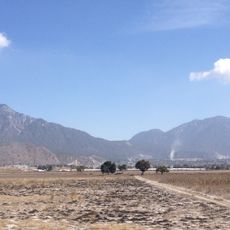
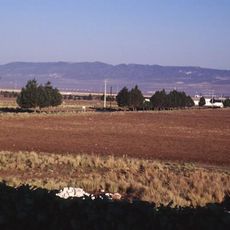
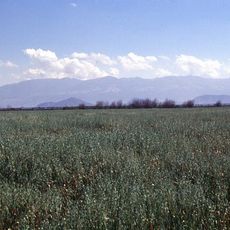
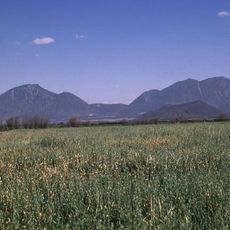
Cerro Pizarro is a rhyolitic volcano in the Oriental Basin, Puebla, Mexico, rising to 3,071 meters with distinctly steep slopes and a triangular profile. The mountain is visible from multiple surrounding municipalities and stands as a prominent geological feature in the local landscape.
Volcanic activity shaped the mountain over approximately 150,000 years through multiple eruptive phases, with the most recent eruption occurring around 65,000 years ago. This extended period of volcanic action established the geological character that defines the peak today.
The mountain carries two names reflecting the region's indigenous and colonial heritage. Locals and regional communities recognize both the Spanish designation and the original Nahuatl-derived name that connects to Tepeyahualco municipality's roots.
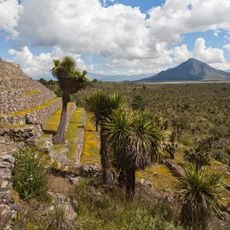
Two main routes to the summit depart from Guadalupe Sarabia and San Nicolas Pizarro, each requiring about two hours of climbing. Expect dry shrubland conditions and bring adequate hiking gear and water for the ascent.
Natural caves at roughly 2,840 meters elevation provide climbers with temporary shelter while exploring the mountain's dry vegetation. These hidden grottos often escape notice despite offering practical refuge during ascents.
The community of curious travelers
AroundUs brings together thousands of curated places, local tips, and hidden gems, enriched daily by 60,000 contributors worldwide.