Southeast Mexico, Geographic region in southern North America, Mexico.
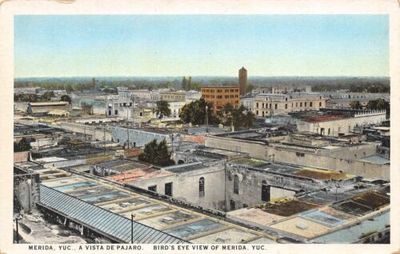
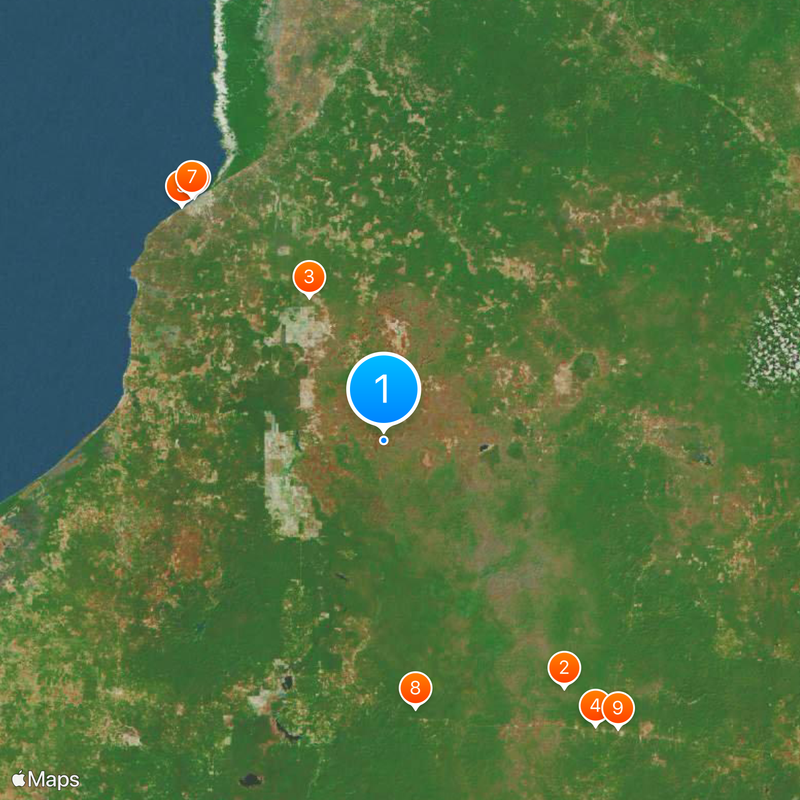
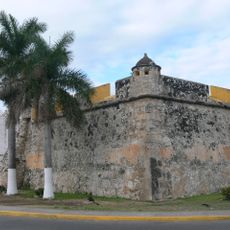
Southeast Mexico covers five states including Campeche, Chiapas, Tabasco, Quintana Roo, and Yucatán, stretching across coastal plains and tropical forests. Rivers run through the territory and flow through forested lowlands, while the Caribbean coastline offers shallow lagoons and coral reefs.
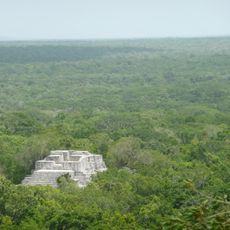
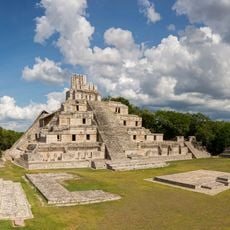
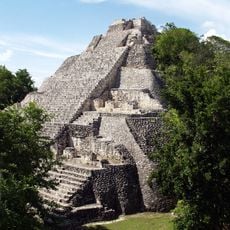
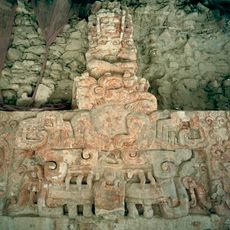
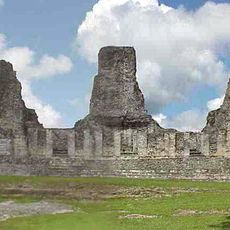
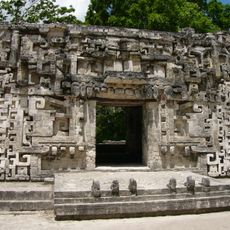
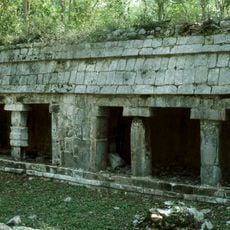
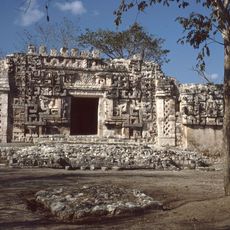
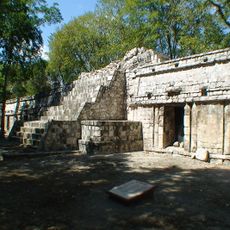
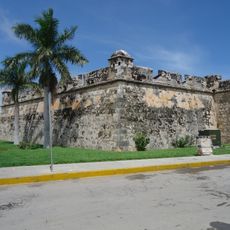
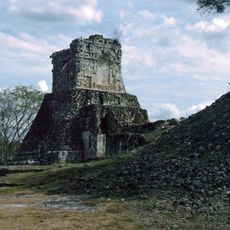
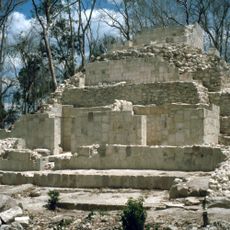
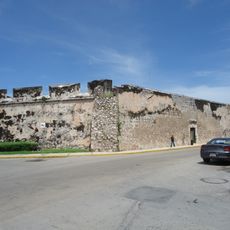
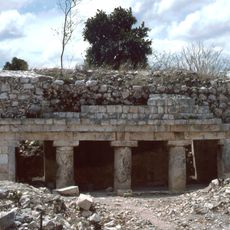
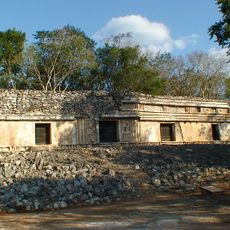
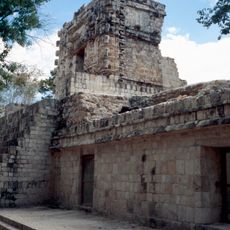
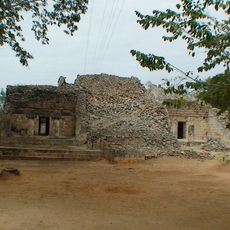
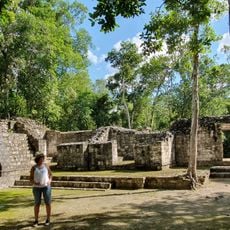
The Maya civilization developed in this area starting around 2000 BCE and built cities such as Palenque, Tulum, and Chichén Itzá across the territory. The arrival of Spanish conquistadors in the 16th century brought fundamental changes to the political structure and led to incorporation into the colonial Viceroyalty of New Spain.
Maya languages are still spoken in many communities, especially in smaller towns where they remain part of daily conversation alongside Spanish. Markets sell hand-woven textiles and woven baskets crafted using centuries-old techniques, often displaying traditional patterns that reflect local identity.
The best time to visit is during the dry season from November through April, when paths and roads are easier to navigate and humidity levels are slightly lower. Insect repellent and light, breathable clothing are advisable throughout the year, as the tropical climate prevails.
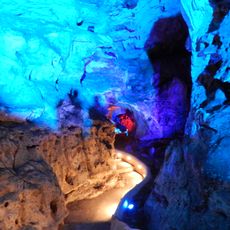
Limestone sinkholes known as cenotes form extensive underground water systems throughout the Yucatán Peninsula and served the Maya both as water sources and sacred sites. Some cenotes lie hidden in the jungle and are accessible only by narrow trails, giving them an isolated feel.
The community of curious travelers
AroundUs brings together thousands of curated places, local tips, and hidden gems, enriched daily by 92,440 contributors worldwide.