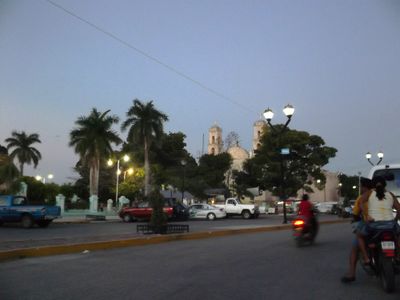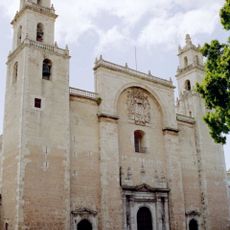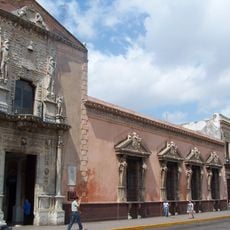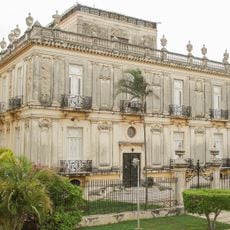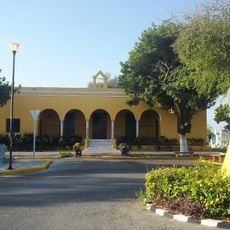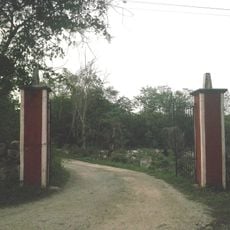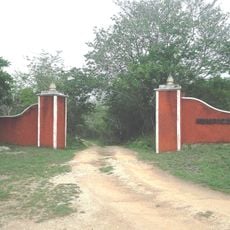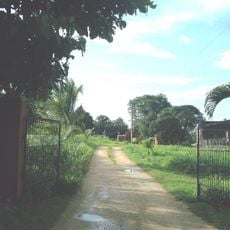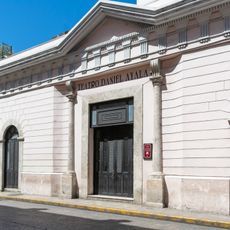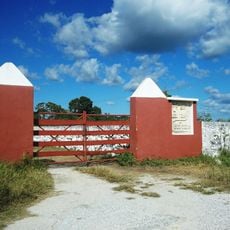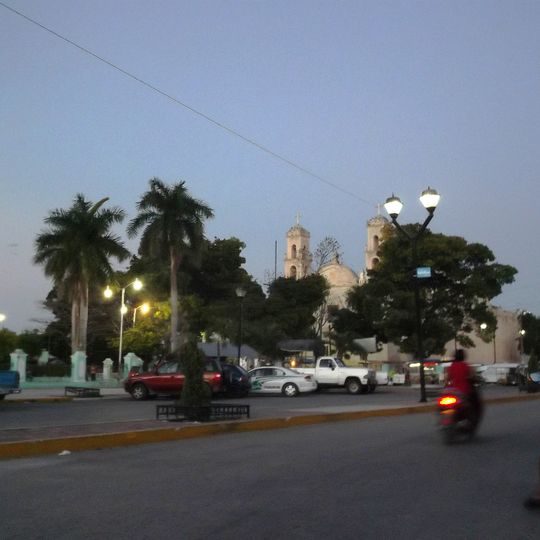
Tixkokob, Colonial town in Yucatán, Mexico
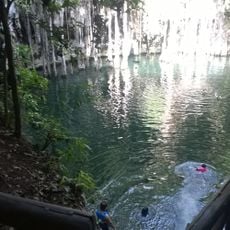
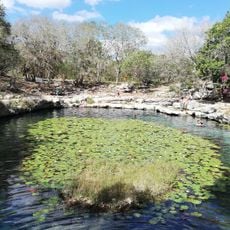
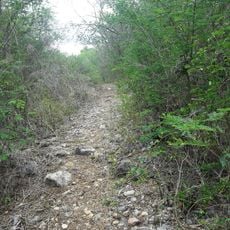
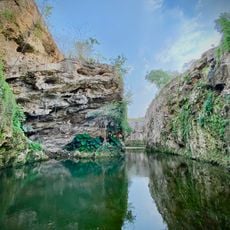
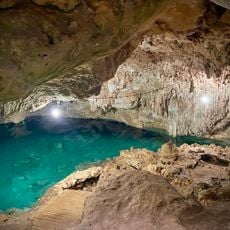
Tixkokob is a locality in Yucatán characterized by flat terrain dotted with underground water-filled sinkholes called cenotes. These natural formations developed where limestone bedrock dissolved over time, creating the distinctive landscape of the region.
The settlement became an encomienda in 1549 with around 540 residents paying tribute to Spanish authorities. It received official town status in 1867, marking a turning point in its administrative development.
The name Tixkokob comes from the Mayan language and means "place of the kokob snake," a venomous species once common in the area. This heritage remains visible in local place names and in how residents connect with their natural surroundings.
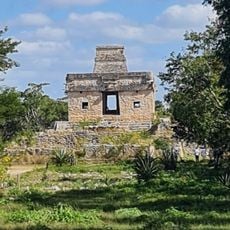
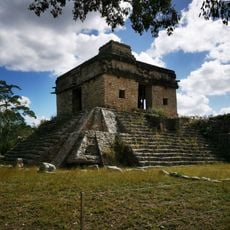
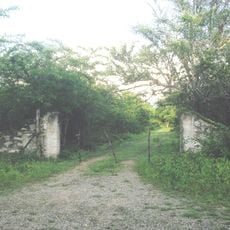
The municipality encompasses several smaller settlements including Ekmul, Euan, and Nolo, as well as the Ruins of Aké nearby. When exploring, expect rural infrastructure and basic amenities, with more developed services available in larger regional centers.
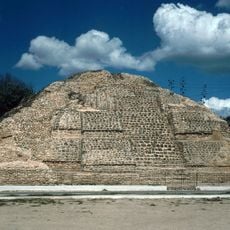
The Ruins of Aké, part of this area, are a pre-Hispanic Maya site with well-preserved stone structures that many visitors overlook. This archaeological site sits close by yet remains relatively quiet compared to more famous Yucatán destinations.
The community of curious travelers
AroundUs brings together thousands of curated places, local tips, and hidden gems, enriched daily by 60,000 contributors worldwide.