Cuba, Largest Caribbean island in West Indies, Cuba
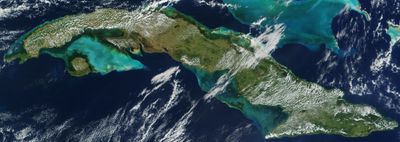
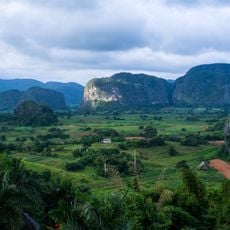
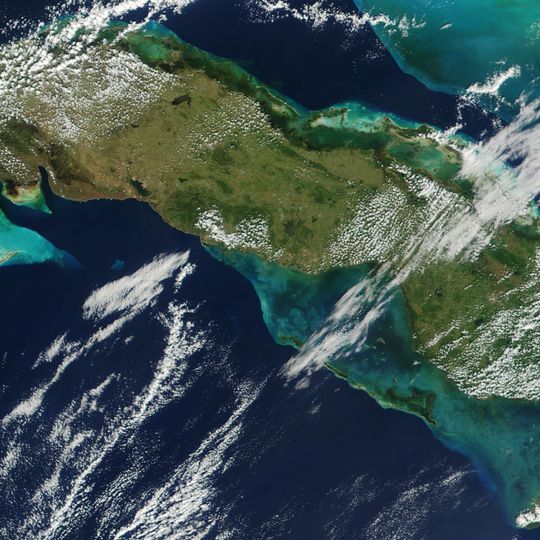
Cuba is the largest island in the Caribbean, stretching across a considerable distance from east to west with varied landscapes. One-third consists of mountainous terrain, while two-thirds comprises flat agricultural plains.
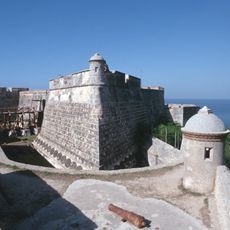
The Taíno people lived on the island before Spain claimed it in 1492, marking the start of colonial rule. This conquest brought centuries of Spanish influence that shaped the island's development.
Music fills daily life across the island, from street corners to homes, where people play and dance son, rumba, and salsa. These styles grew out of Spanish and African traditions that remain central to how Cubans celebrate and gather together.
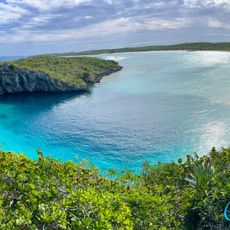
The island offers different landscapes, so visitors should plan their route based on interest, whether exploring mountains or coasts. Good footwear and sun protection are helpful, as conditions vary by region.
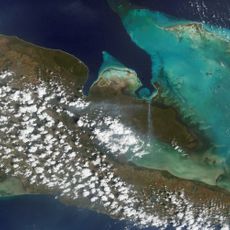
Off the northeastern coast lies the Sabana-Camagüey Archipelago, a collection of thousands of small islands and coral reefs rarely mentioned in typical travel guides. This less visible part remains one of the island's remarkable natural features.
The community of curious travelers
AroundUs brings together thousands of curated places, local tips, and hidden gems, enriched daily by 92,427 contributors worldwide.