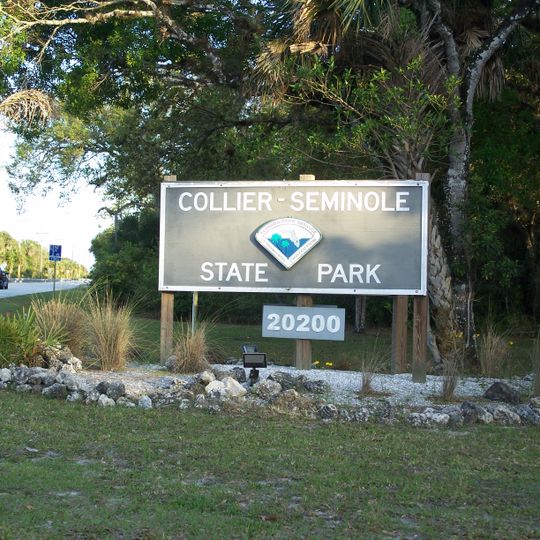
Collier-Seminole State Park, State park in Naples, Florida.
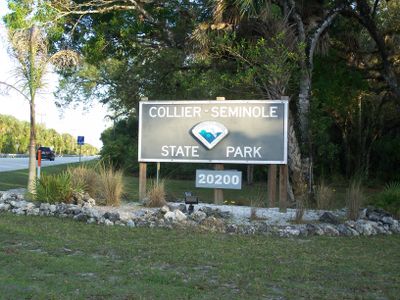
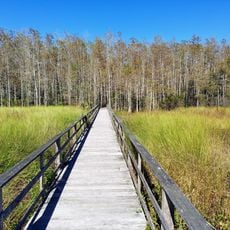
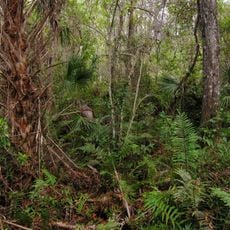
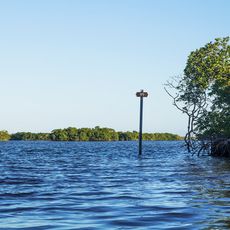
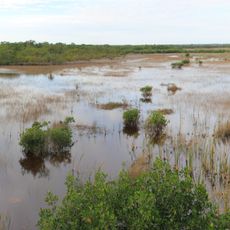
Collier-Seminole State Park is a protected area in southwest Florida that covers mangrove forests, salt marshes, and tropical hardwood hammocks along the edge of the Everglades. The park borders Ten Thousand Islands, where the land gives way to a maze of tidal waterways and small coastal islands.
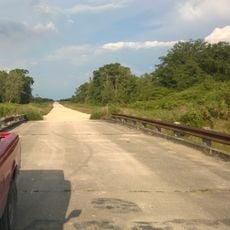
During the Seminole Wars of the 1800s, indigenous people found refuge in the dense swamps of this area, which were nearly impossible for outside forces to penetrate. Decades later, the construction of the Tamiami Trail in the 1920s cut through this territory, opening the region to traffic between Tampa and Miami for the first time.
The name of the park honors the Seminole people, who took refuge in these swamps and forests during a long period of conflict in the 1800s. Walking through the area today, visitors move through a landscape that once offered shelter and survival to people who knew it intimately.
The cooler months, roughly from November to March, are the most comfortable time to visit, as heat and insects are less of a factor for hiking, paddling, and cycling. Those exploring the waterways should be aware that the tidal channels near Ten Thousand Islands can be disorienting without a map or local knowledge.
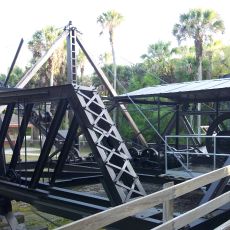
A dredge used during the construction of the Tamiami Trail in the 1920s still sits in the park and can be seen up close. It is one of the few physical remnants of the massive effort it took to push a road through what was then considered impenetrable swampland.
The community of curious travelers
AroundUs brings together thousands of curated places, local tips, and hidden gems, enriched daily by 91,989 contributors worldwide.