Wilderness Waterway, Water trail across Everglades National Park, Florida
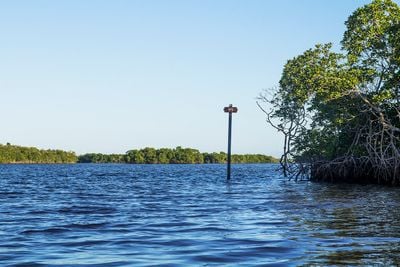
Wilderness Waterway is a 99-mile paddle route threading through mangrove forests, wetlands, and coastal areas between Flamingo and Everglades City. The path includes narrow channels where water levels change seasonally and obstacles like fallen trees require careful maneuvering.
The trail was developed to protect southern Florida's wild spaces and provide recreational access to remote areas that would otherwise remain difficult to explore safely. Its designation as a National Recreation Trail solidified protection measures for the surrounding wilderness.
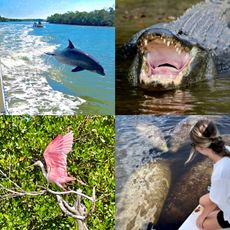
The waterway serves as a natural classroom where paddlers witness the interconnected ecosystems that have sustained people and wildlife for generations. Visitors experience firsthand how mangroves and wetlands function as a living landscape rather than viewing nature from a distance.
Paddlers need solid navigation skills and tidal knowledge since water levels shift dramatically and shallow spots are common along the route. The best paddling season runs from October through March when weather is more stable and insects are less bothersome.
Most ground campsites sit on shell mounds built by the Calusa people, and one mound, Watson's Place, was occupied in the early 20th century by sugar cane farmer and criminal Ed Watson. From the 1940s to the 1980s, hermit Arthur Darwin lived on another mound that every paddler passed, making him known in the paddling community.
The community of curious travelers
AroundUs brings together thousands of curated places, local tips, and hidden gems, enriched daily by 94,019 contributors worldwide.