Blue Spring State Park, Natural reserve in Orange City, Florida.
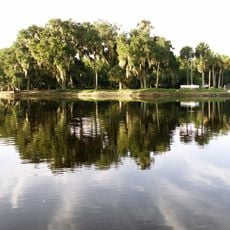
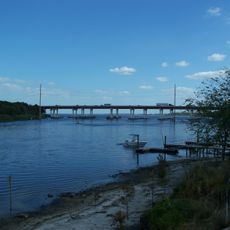
Blue Spring State Park is a Florida state park west of Orange City where Volusia Blue Spring, the largest spring on the St. Johns River, releases about 102 million US gallons of water daily at 73 °F (23 °C). The spring forms a circular basin and a run 300 to 400 yards long that flows into the river. Manatees rest in the clear water, and palm fronds and thin trunks line the shore.
Britain's 20,000-acre Beresford Plantation, granted to the Earl of Tyrone, ended at Blue Spring, marked "Mineral Spring" in a 1774 river survey. William Bartram visited in 1774 and described a circular basin with a run deep enough for a sloop. In 1851 John W. Starke bought the spring grant and planted citrus; Louis Thursby arrived in 1856 and built a steamboat landing, with his 1872 house on the shell midden. The state bought about 300 acres in 1972.
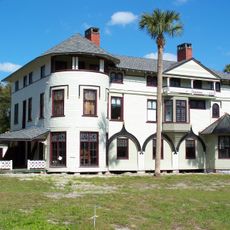
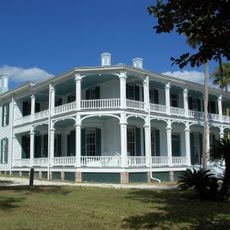
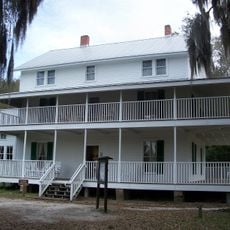
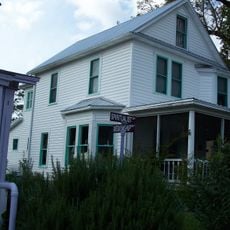
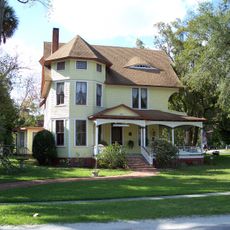
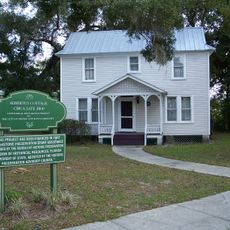
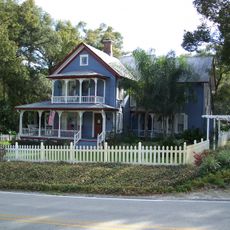
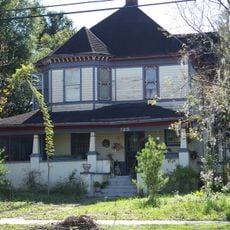
The Thursby House, a two-story frame building from 1872, stands on a shell midden at the mouth of the spring run, the highest ground safe from floods. Blue Spring Landing became a steamboat stop with Mary Thursby as postmistress, and settlers who founded Orange City in 1875 arrived here. A narrow-gauge railroad reached the landing in 1881, its bed now Magnolia Avenue.
The park offers canoe rentals and guided tours on the river, plus walking trails through the forest and a campground with spaces for tents and recreational vehicles. Swimming is allowed only outside winter months when manatees are not present in the water.
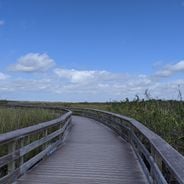
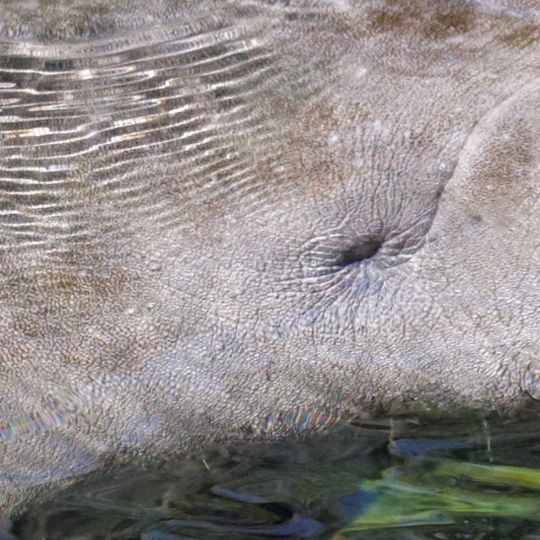
The spring serves as a winter shelter for hundreds of manatees that arrive when river temperatures drop below the constant warmth of the source water. Visitors can watch the animals from wooden boardwalks built over the spring basin.
The community of curious travelers
AroundUs brings together thousands of curated places, local tips, and hidden gems, enriched daily by 93,035 contributors worldwide.