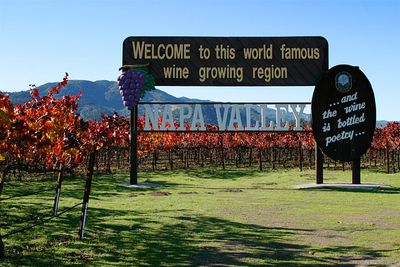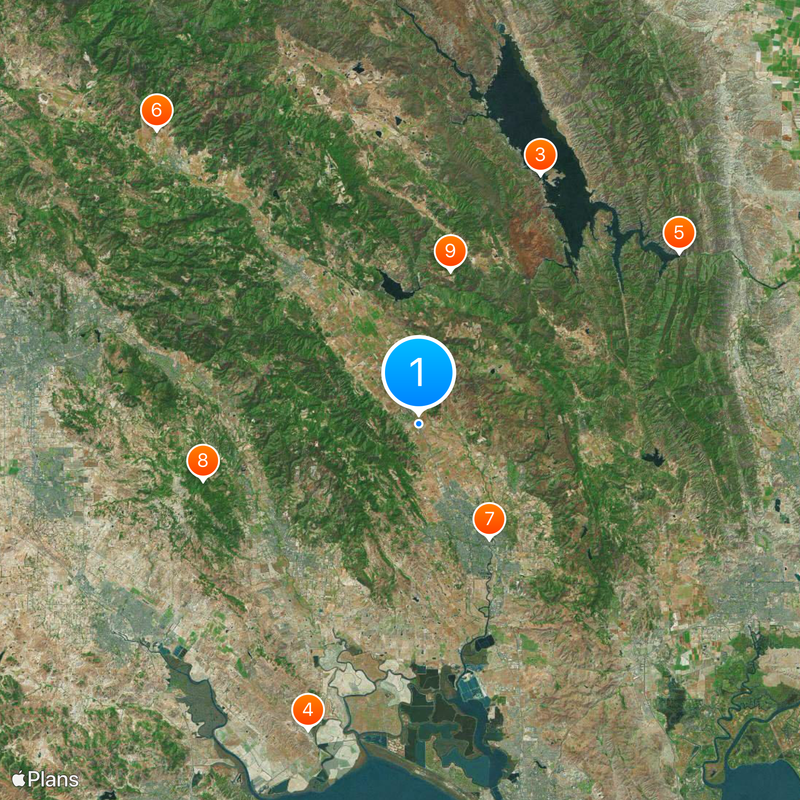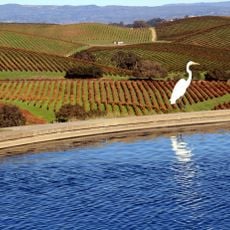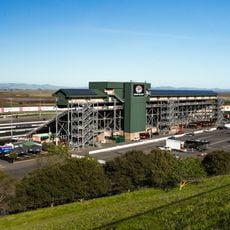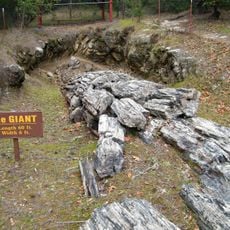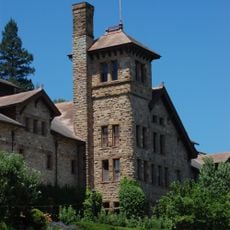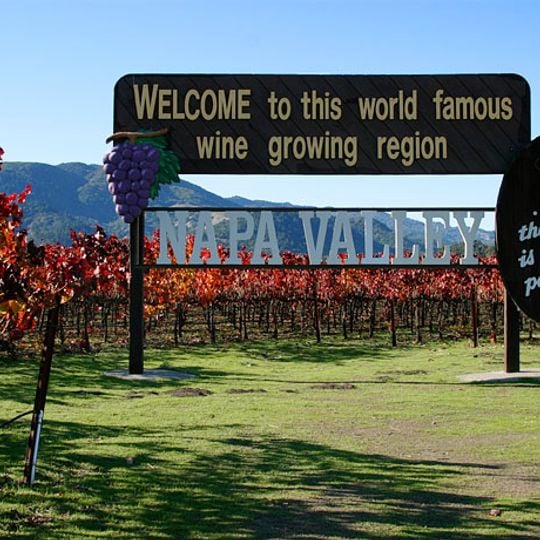
Napa Valley AVA, American Viticultural Area in Napa County, California.
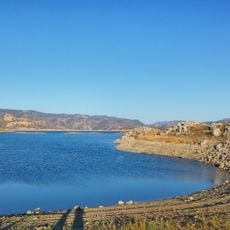
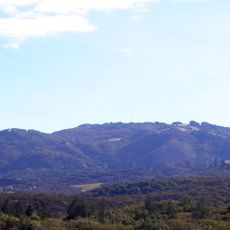
Napa Valley AVA stretches across 30 miles (48 km) in length with varying widths and contains 16 nested viticulture areas at different elevations and soil types. These subzones range from flat valley floors to gentle slopes along the Mayacamas and Vaca mountain ridges.
The region obtained its AVA status in 1981, becoming California's first designated wine area and setting standards for American wine production classification. In the decades that followed, increasingly smaller and more specific subzones emerged, each highlighting distinct climatic characteristics.
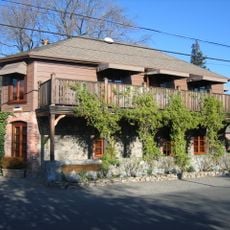
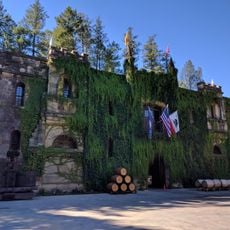
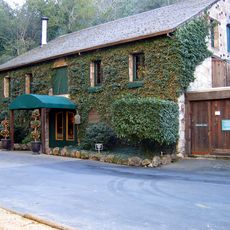
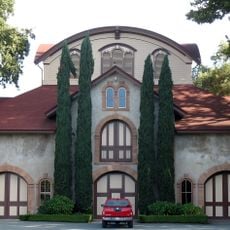
More than 450 wineries preserve personal touches in their winemaking and place great importance on long-term relationships with visitors and wine lovers. Many operations offer tastings in small groups while sharing stories about the grape varieties and how they work with the soil.
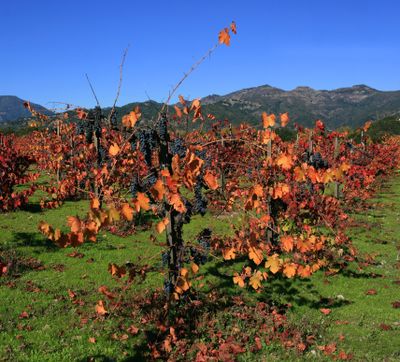
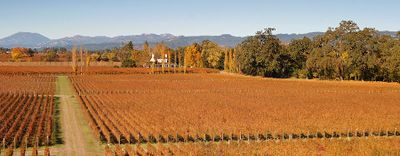
The Mediterranean climate creates consistent growing conditions throughout the year, with fog from San Pablo Bay moderating summer temperatures. The best time to visit is in spring or fall, when the vineyards either show fresh greenery or are bathed in warm colors.
The region represents only 4 percent of California's wine production yet maintains the strictest land use regulations among North American wine regions. These regulations protect agricultural land from development and preserve the open landscapes between wineries.
The community of curious travelers
AroundUs brings together thousands of curated places, local tips, and hidden gems, enriched daily by 91,989 contributors worldwide.