Coast Range Geomorphic Province, Physiographic province in California, United States.
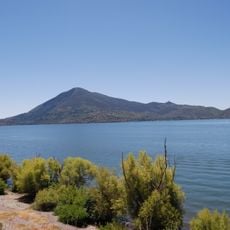
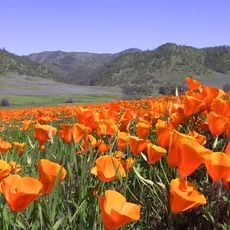
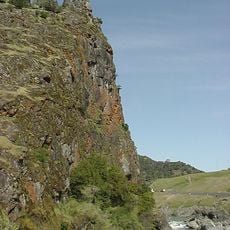
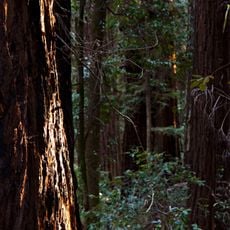
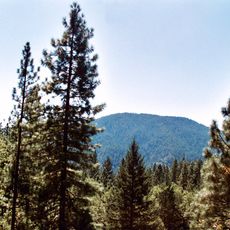
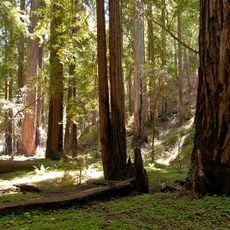
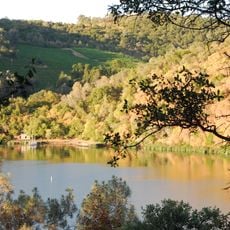
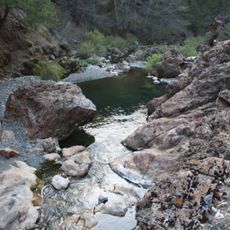
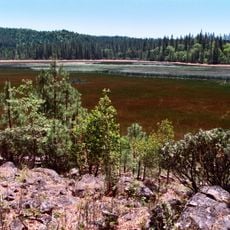
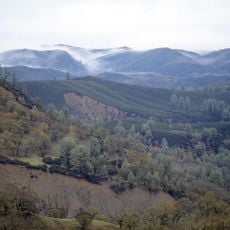
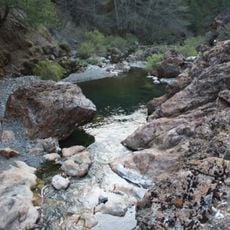
The Coast Range Geomorphic Province runs along California's western edge as a mountainous region between the Pacific Ocean and the inland valleys. The landscape consists of steep ridges, grassy slopes, and deep canyons that shift and change as you move from north to south.
This mountain range formed over 200 million years ago as tectonic plates collided and pushed layers of sediment upward. Millions of years of erosion and ongoing crustal movement have shaped the landscape into its current form.
Indigenous peoples lived in these hills and valleys for thousands of years, developing deep knowledge of the local plants, animals, and water sources. Walking through the region today, you can still find evidence of their settlements and the routes they traveled.
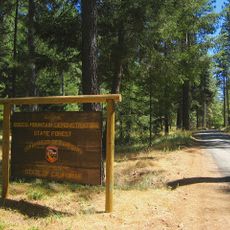
Access to different parts of this region varies, with some areas open to the public and others on private land, so it helps to check ahead about where you can go. The best way to explore is usually on foot or by car from nearby towns, though some routes may be limited during heavy rain or muddy seasons.
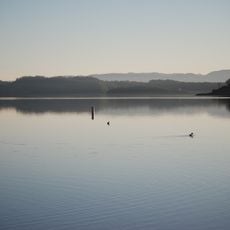
The San Francisco Bay cuts through this mountain range, dividing it into North and South sections with noticeably different characteristics. You can observe how the terrain, vegetation, and even the rock formations change markedly on either side of this geographic division.
The community of curious travelers
AroundUs brings together thousands of curated places, local tips, and hidden gems, enriched daily by 60,000 contributors worldwide.